
The Role of LNG in Industrial Energy
Liquefied Natural Gas (LNG) holds a key position in the current industrial energy sector. This reliable fuel acts as both a backup and main power source in areas like manufacturing, electricity production, and city utilities. Proper vaporization of LNG is vital to make it ready for various uses. The shift from a super-cold liquid at -162°C to a practical gas demands careful handling of heat and pressure. As the world’s energy setup changes faster, the smart use of liquefied natural gas (LNG), turns into a key strategy in industry, city gas supply, and transport fields.
Why Extreme Conditions Pose a Problem
Vaporization setups face significant risks in challenging operational environments. In very cold areas or busy factory sites, the gear has to handle sharp temperature changes and shifting needs. The deep freeze can cause quick ice buildup on vaporizer parts, and heavy demand places the system under stress. Such situations often bring machine breakdowns, gas supply interruptions, and major waste of power.
Common Issues in Extreme Environments
Equipment Freezing and Ice Formation
A primary issue in LNG vaporization is the formation of ice due to condensation of water vapor from the air, which adheres to cold components. When regular air hits the extra-cold LNG tools, frost and ice pile up fast on vaporizers and valves. This blocks gas movement and cuts down on heat transfer effectiveness. If there are no good ways to fight icing, it leads to plant stops and danger to workers.
Energy Loss During Vaporization
In chilly regions, the outside air is usually too cold to supply enough warmth for smooth LNG vaporization. Supplementary heating units must operate at maximum capacity to compensate for heat losses, which increases energy consumption. Plus, setups without strong insulation or ways to reuse heat face even more waste.
Pressure Fluctuations and Flow Instability
Factory jobs with changing needs often see pressure swings while vaporizing LNG. Quick rises or falls in gas volume can upset gear further along, causing sudden halts or harm to delicate parts. Keeping pressure and flow steady is crucial for smooth work.
Technical Factors Affecting Efficiency
Importance of Heat Exchange Performance
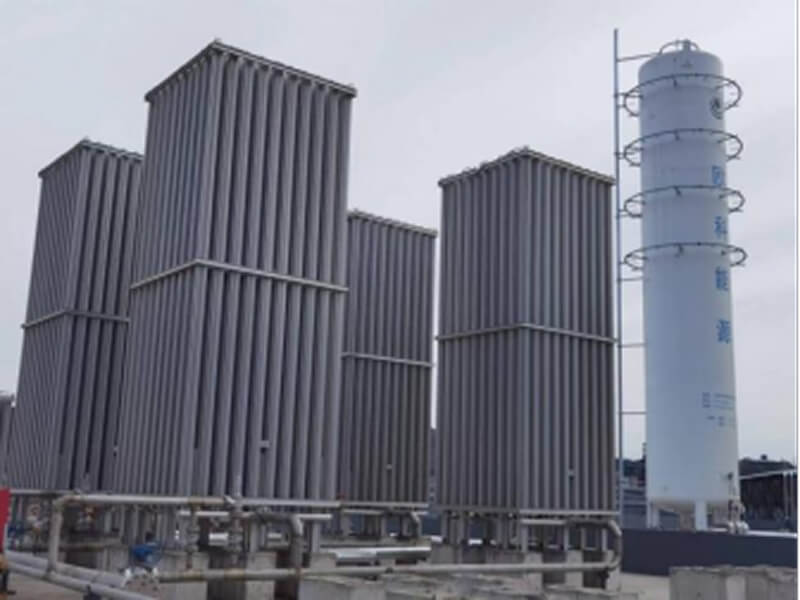
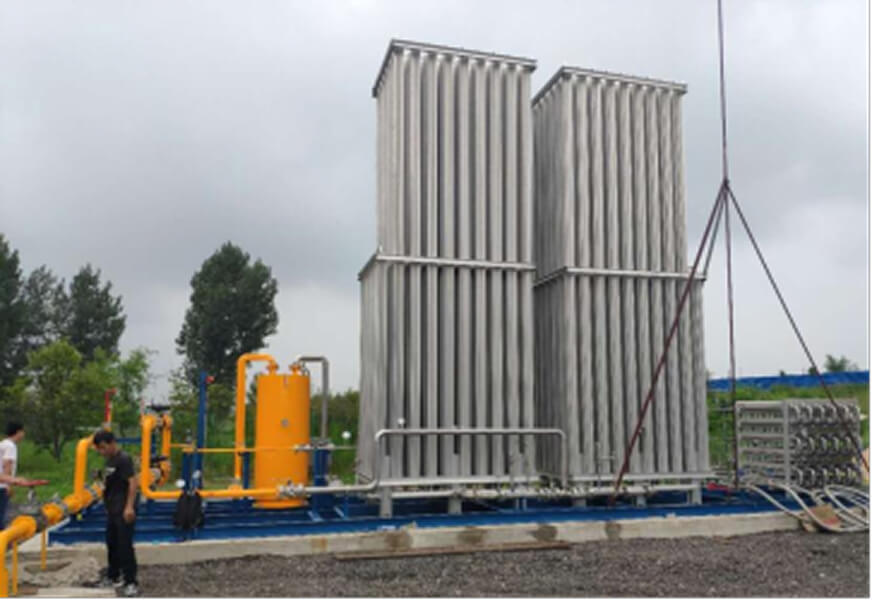
Good vaporization depends a lot on how well heat exchangers work. Inadequate heat transfer can result in incomplete vaporization, leading to the presence of suboptimal gas pockets within the pipeline. Over time, dirt or buildup inside the exchangers worsens the issue. Patented finned tube design: the fin structure improves the heat exchange area and breaks through the efficiency attenuation bottleneck caused by frosting of traditional vaporizers.
Material Compatibility at Cryogenic Temperatures
Everyday materials get fragile in super-cold conditions, raising the chances of cracks or escapes. For lasting strength and safety, vaporization tools need special metals that hold up well at -162°C. The multi-safety barrier incorporates cryogenic-grade materials, anti-brittle fracture designs, redundant pressure monitoring, and an emergency shut-off system to maintain structural integrity under cryogenic conditions.
Control System Responsiveness
Live control setups are essential for steady performance amid different loads and weather. Slow sensor signals or hand tweaks can cause overcorrections or shortfalls. The built-in system adjusts the flow and pressure to adapt to extreme working conditions of ambient temperature from -40℃ to 50℃, ensuring stable output throughout the year.
Integrated LNG Storage & Vaporization Solutions
One-Skid LNG Gasification System Design
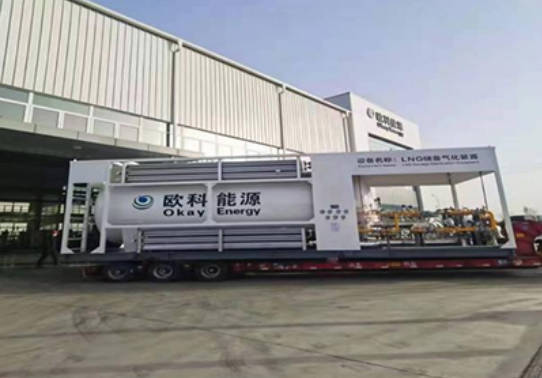
The Integrated LNG Storage & Vaporization Unit combines cryogenic storage, vaporization, and control systems, offering a compact, complete solution for demanding environments. It helps users save on-site construction time and cost—ideal for mobile deployment and rapid commissioning. This approach has cut setup time from weeks to days in projects for oil giants, making it a go-to for quick-start operations in tough spots.
Anti-Icing Technology Innovations
To tackle freezing on gear, Okay Energy adds smart anti-icing tools like finned-tube vaporizers that fight frost buildup and targeted warm areas on key parts. The fin structure increases the heat exchange surface area, addressing efficiency loss caused by frosting in traditional vaporizers.
Smart Monitoring and Control Systems
Advanced PLC control systems continuously monitor pressure, temperature, and flow, ensuring real-time optimization of vaporization performance and preventing system failures. This setup supports ahead-of-time fixes and cuts surprise halts.
Application Scenarios in Harsh Conditions
High Altitude Industrial Zones
In spots with thin air and wild temperature swings—like mines or hill-based setups—Okay Energy units deliver reliable gas using flexible controls and solid heat barriers.
Offshore Platforms and Coastal Terminals
Built with rust-proof materials, our vaporization setups run well in salty settings where sea spray and dampness threaten normal gear.
Cold Climate Processing Plants
For plants in icy or near-icy areas, Okay Energy provides LNG Satellite Station options with capacities from 50Nm³/h to 500Nm³/h. For example, Integrated LNG Storage&Vaporization Unit in Siamgas and Petrochemical PLC:
- Storage tank: 30m³
- Flow rate: 450Nm³/h
- Working pressure: 0.1-0.3Mpa (adjustable)
It ensuring stable operations even during peak winter demands.
Operational Benefits of Okay Energy Solutions
Enhanced System Reliability
Okay Energy units are made for non-stop work under heavy use. More than ten years of supply service experience for CNPC, Sinopec, and CNOOC. Becoming their excellent network access supplier speaks volumes about our track record for dependability. Across 200+ installs, uptime rates hit 99.5%, far above industry averages, thanks to proven designs tested in real extremes.
Lower Operational Costs
Using strong heat transfer setups and auto controls, our units cut power needs per cubic meter of gas. This brings real savings in the long run. Sites report 20-25% drops in energy bills after switching, based on yearly audits from major clients.
Simplified Maintenance Protocols
Our skid-based units feature easy-link pipes and built-in lift points for simple moves or checks. Quick-connect piping (DN50 flanges). Road-transportable dimensions minimize disruption during routine maintenance.
Conclusion
Keeping LNG vaporization working well in rough settings calls for sturdy build approaches that handle heat waste, physical strain, setup wobbles, and safety threats. At Okay Energy, we face these head-on with full systems that stand out in tech and fit real factory needs. From our special finned-tube exchangers to remote watch platforms, we supply a wide range of fixes to boost steadiness and trim expenses. With more than ten years of service to top players globally, we stand ready as your solid ally in crafting tough energy setups for future needs.
FAQ
Q: How does ice formation occur in LNG vaporization systems, and how is it prevented?
A: Moisture in the air condenses on cold surfaces, forming ice that can obstruct valves, pipes, or sensors.
Q: How does Okay Energy prevent ice buildup?
A: We use anti-icing surface coatings and localized heating elements effectively prevents the accumulation of ice on key components.
Q: Can Okay Energy systems operate efficiently in sub-zero environments?
A: Yes, they are specifically engineered for cryogenic conditions with optimized insulation and heat exchange technologies.
Q: What makes integrated skid-mounted solutions more efficient?
A: They minimize heat loss through compact design, reduce piping complexity, and enable faster installation.
Q: How does smart monitoring improve LNG vaporization performance?
A: It allows real-time adjustments to flow rates, temperature, and pressure, ensuring consistent output even under variable conditions.