
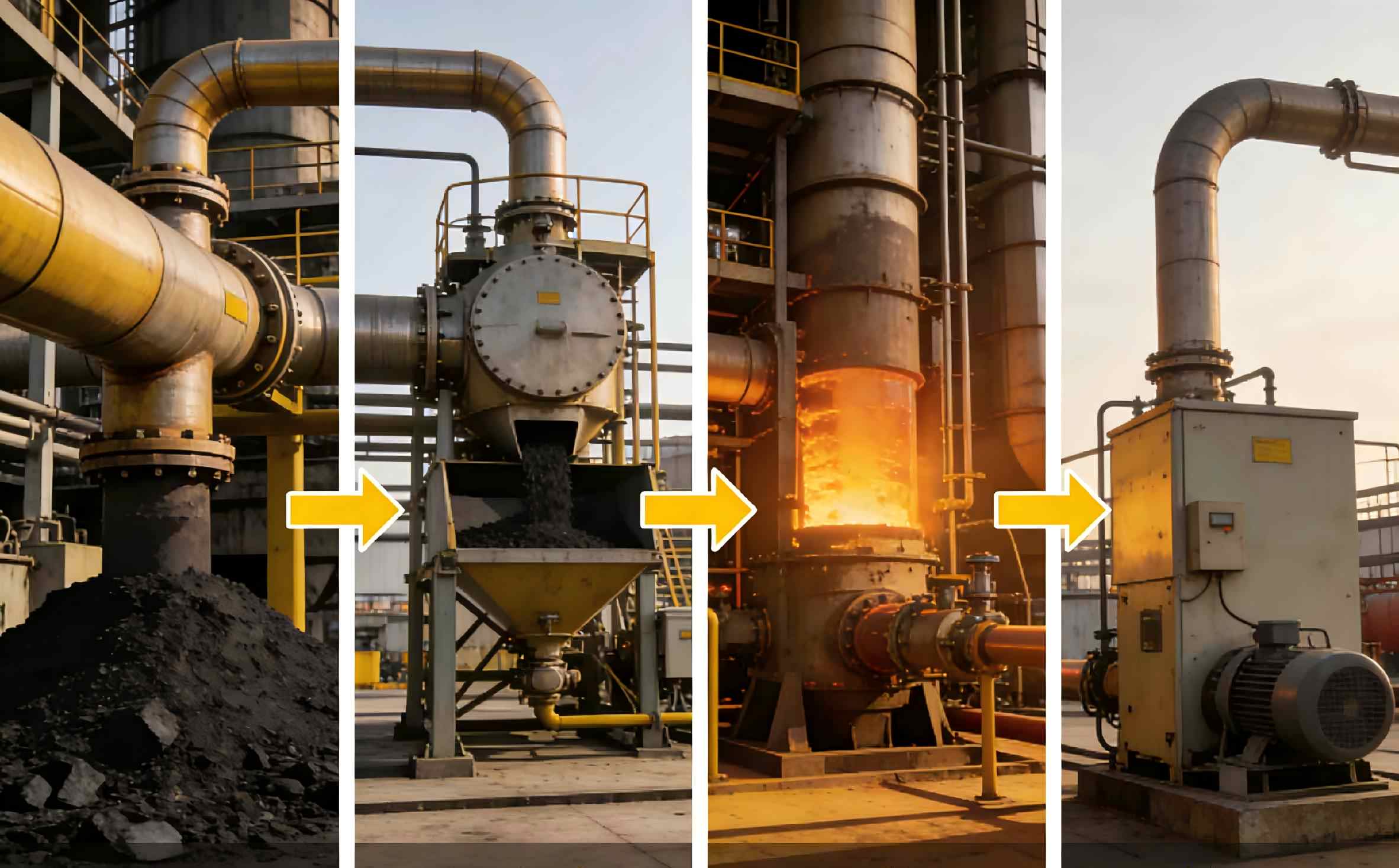
Understanding Gasifier Price Variations
Investing in a gasifier is a significant decision for any industrial operation. With a range of options available, understanding why gasifier prices vary is essential for making an informed purchase. The price of a gasifier is influenced by more than just its size or capacity; factors such as material quality, pressure requirements, automation features, and customization needs all play a role in determining the final price. By delving into these key aspects, you can ensure your investment aligns with your operational needs, delivering long-term value and performance. Whether you need a ready-made solution or a custom-built gasifier, understanding the underlying price drivers will help you make the right choice for your business.
Introducing Okay Energy’s Approach
Okay Energy focuses on the study, planning, building, and full EPC provision of modern modular skid-mounted setups and industrial gas tools. We deliver various gasification and mixing devices suited to fields such as power production, steel production, petrochemical operations, and city energy networks. Clients may need fast setups, standard setups, or specially made ones for harsh working environments. Okay Energy provides clear pricing tied to technical details and project aims. This method lets our customers gain the best return, rather than just a lower price.
Core Factors Influencing Gasifier Prices
Gasification Capacity
Gasifier capacity is usually measured in normal cubic meters per hour (Nm³/h). Bigger capacity setups require wider reaction areas, stronger piping for higher flows, and larger control parts.
For instance, our Natural gas blending system built for Zhejiang Energy Group runs at a 10000 Nm³/h gas flow rate. It handles hydrogen blending up to 90%. This system requires a carefully designed structure to ensure uniform blending and safe operation. Okay Energy offers a range of customizable models, from compact modular skid-mounted units to large-scale blending systems capable of handling gas flow rates exceeding 200,000 Nm³/h. Customers can pick gear that fits their present needs and allows room for growth later.
Design Pressure Requirements
Systems built for higher pressures often suit links to later processing stages or certain chemical processes in gasification. These builds call for approved pressure containers, tougher pipes, and better safety tools.
Our natural gas-hydrogen blending system for gas turbine setups works at natural gas pressure of 4.3 Mpa and hydrogen pressure up to 20 Mpa. This example shows how raised pressure needs shape choices in materials and assembly details.
Material Grade and Durability
Strength matters a lot when gasifiers deal with harsh or eating-away gas mixes. Choices like stainless steel or special alloy coatings greatly extend the device’s life, though they raise the price. Okay Energy picks materials according to the exact input fuels and site conditions, which provides resistance to wear and a solid structure under changing heat stresses. Take units that process blast furnace gas or coalbed methane, for example.
Automation and Control Systems
Automation boosts output with live tracking, distant checks, and step improvements. Gear with PLC-driven controls, built-in flow gauges, and sensor arrays, such as our Calorific Value Control System, deliver ±1% precision in gas mix adjustments. Basic manual setups might cut early expenses. Yet, automated versions lower ongoing risks and worker efforts. Buyers should weigh this balance when looking at full ownership costs.
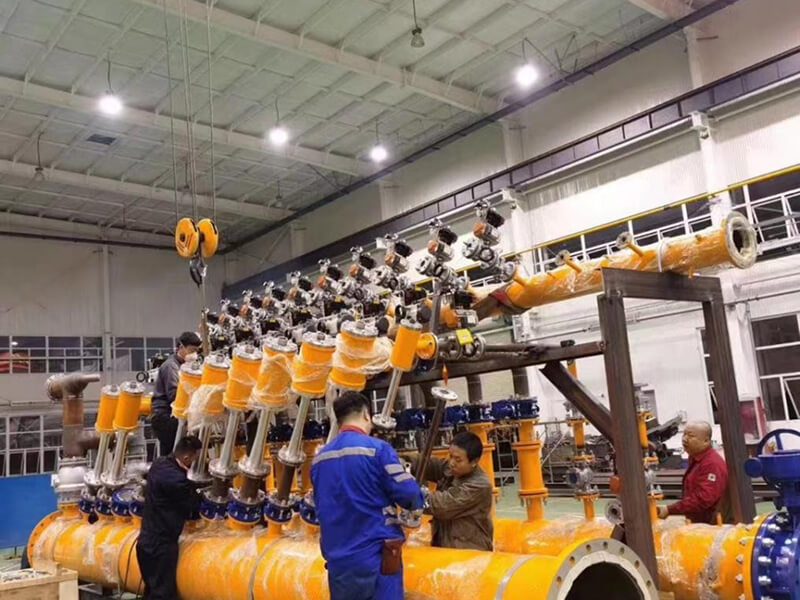
Skid-Mounted vs. On-Site Assembly
Skid-mounted gasifiers come fully put together and checked at the factory. This cuts setup time and avoids errors during startup. The added convenience increases the base price of the unit. Okay Energy’s skid-mounted systems feature easy-link piping (DN50 flanges), built-in lift points, and sizes fit for road hauling. They work well in tight spaces or short-term sites. For big factory builds with set structures, putting together on location can save money.
The Impact of Customization
Standard vs Custom Solutions from Okay Energy
Ready-made units bring benefits like quicker shipping and basic price levels. Still, in various factory cases, particularly with unique fuel types or area limits, made-to-order gear turns are essential. Okay Energy excels at providing unusual gas tools built for tough conditions. This guarantees a smooth fit into current workflows.
Cost Drivers in Customization
- Control Logic Modifications: Custom software coding allows the gasifier to adjust dynamically to varying inputs or to integrate with the main plant control systems.
- Layout Adjustments: Devices might require reshaping for upright space issues or to fit pipe paths. Such changes involve fresh design work that lifts costs.
- Material Upgrades: Dealing with gases like hydrogen sulfide or hot carbon monoxide calls for better anti-wear alloys.
- Additional Safety Features: Blast-proof covers, extra stop valves, or quick-release vents may follow local rules or buyer standards.
Selecting the Right Gasifier for Your Needs
Matching Equipment to Process Requirements
Reviewing input fuel makeup, like pipeline natural gas vs. coalbed methane, target output rate, and typical daily run times holds great importance. For example, the Calorific Value Control System supplied to Shanxi Gas Group runs at a flow rate of 100000 Nm³/h. It uses natural gas and coalbed methane as a key input. This setup shows tailoring that matches fuel handling in industry. Think about growth potential, too, to skip expensive changes down the line.
Balancing Budget with Long-Term Value
Cheap starting prices can be tricked if they lead to regular fixes, brief service life, or weak energy use. Judging the total cost of ownership covers buying, upkeep plans, power savings, and stoppage chances. Okay Energy aids customers in checking lasting value via full support, from initial reviews to setup and post-sale care. With ISO-approved quality steps and years of work in over 30 countries, we plan for strong equipment life cycles.
Conclusion
The price of a gasifier includes far more than its basic size. It shows handling power, pressure strength, control complexity, material toughness, and customization depth. With many standard models and adaptable custom options, Okay Energy makes sure each customer gets a system suited to their exact factory process. Explore our tailored gasification solutions today and get a personalized quote that fits your specific process requirements. Contact us now to ensure your investment delivers lasting value!
FAQ
Q: What is the main factor affecting gasifier prices?
A: Gasification capacity stands as a key driver. Yet, material quality, automation degree, pressure build, and customization also shape the price heavily.
Q: Are customized gasifiers significantly more expensive?
A: Made-to-order units often cost extra because of unique parts and design effort. But they give stronger results for targeted uses.
Q: What materials are used in durable gasifiers?
A: Strong gasifiers commonly employ stainless steel or high-alloy options that fight off damage from sour or hot gases. These choices have proven effective in corrosive environments like syngas production sites.
Q: Is a skid-mounted gasifier worth the extra cost?
A: Skid-mounted builds ease setup and shorten on-site time. They make a smart pick for many factory users, even with the higher start price.