
In today’s highly competitive manufacturing industry, where steel mills, ceramic factories, and chemical plants where operational efficiency is critical, reliable energy stands as the key to success. A quick fall in fuel pressure or a surprise system freeze does not merely stop one machine. It can bring a whole production line to a halt. This often results in significant production losses and potential equipment damage. At Okay Energy, we specialize in industrial vaporization and integrated LPG vaporization solutions for global industrial applications. We know that numerous factories face issues with the basic limits of natural LPG vaporization. To stay ahead in competition, switching to a strong industrial LPG vaporizer has become a must for any site that needs steady, large-scale gas delivery.
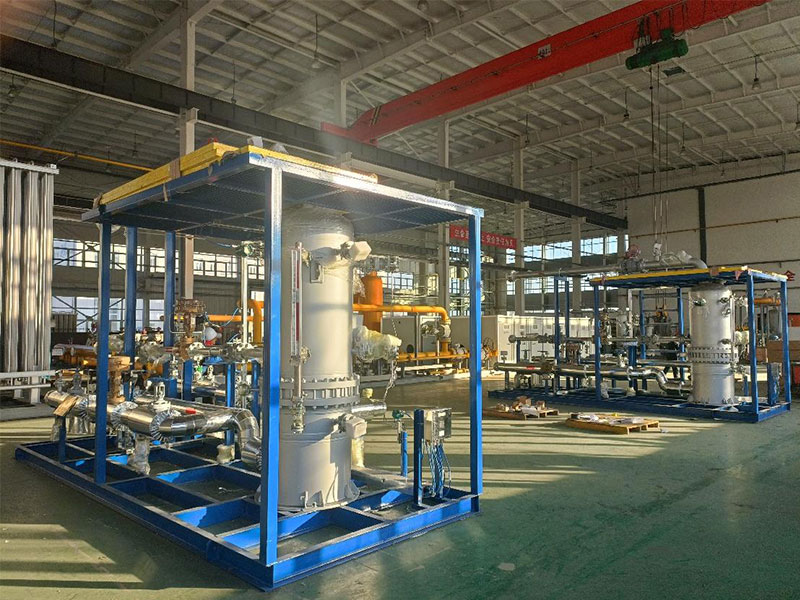
The Crisis of Gas Supply Instability
Challenges of Natural Vaporization During Peaks
Numerous industrial businesses depend on the natural vaporization of LPG in storage tanks. This approach works fine for small-scale uses. However, it leads to a major “industrial gas supply instability” when production hits high points. Burners in a ceramics plant or boilers in a food processing site call for extra fuel during these times. The liquid LPG in the tank needs to pull in heat from nearby areas to become gas. If the need goes beyond the tank’s usual heat intake speed, pressure inside the tank falls. This causes unstable LPG pressure, which makes burners fail or stop completely.
The Impact of Winter Frosting and Temperature
Low ambient temperatures reduce LPG vaporization efficiency. In cold regions or over winter periods, the natural vaporization speed of LPG drops sharply. When workers draw liquid LPG too fast from a tank without an industrial LPG vaporizer, the leftover liquid gets cold quickly. This often makes excessive frosting and ice formation on tanks and pipelines. Such frosting blocks heat flow like an insulator. It worsens the issue by stopping more heat transfer. As a result, factories face a full “insufficient gas supply” in their internal lines, even when the tank holds plenty of liquid fuel.
Risks of Poor Vaporization Infrastructure
Combustion Inefficiency and Fuel Waste
A reliable gas flow matters a lot for the right air-fuel mix in industrial burners. When a factory deals with industrial gas pressure fluctuation, burning fuel becomes less effective. In fields like steel making, this unevenness leads to spotty heating, lower product standards, and higher fuel use. By adding an LPG gas vaporizer system, we assist clients in keeping gas at a fixed temperature and pressure for delivery to burners. This boosts heat output to the fullest.
Financial Consequences of Unexpected Downtime
The biggest danger to any factory comes from a “trip” or sudden shutdown. For a power plant ignition system or a big chemical reactor, a fast loss of gas pressure sets off safety measures. Resetting these can take hours or days. From our experience in large-scale petrochemical and refinery projects, we see that setting up a solid LPG vaporization equipment system costs far less than one day without production.
Okay Energy’s Integrated Vaporization Solutions
The Power of Integrated LPG Vaporization Units
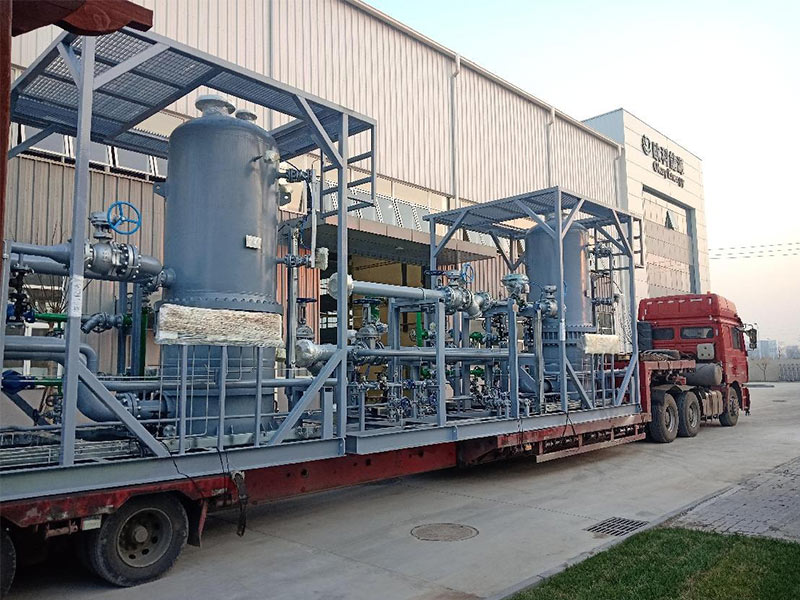
At Okay Energy, we focus on building and creating the Integrated LPG Storage & Vaporization Unit. This complete setup provides an efficient integrated solution for factories seeking a simple “plug-and-play” option. It differs from old, separate parts arrangements. Our skid-mounted LPG vaporizer systems join the vaporizer, pneumatic or electric actuated control valves, and emergency shut-off valves into one tested module from the factory. This integrated design is engineered to meet the flow requirements of industrial applications.
Intelligent Monitoring with PLC Systems
Today’s industrial gas delivery needs more than basic tools; it calls for smart features. Our industrial LPG gas supply systems come with advanced PLC controls systems. These systems watch vaporization output and exit pressure in real time. They work whether you run a 100 kg/h ignition setup for a boiler or a high-capacity 50,000 kg/h vaporization system for raw materials. The PLC units shift heating and flow on their own to handle outside temperature shifts and sudden demand rises. In this way, they deliver a stable gas supply for industrial operations.
Specialized Vaporization Technology for Heavy Industry
High-Efficiency Electric Water Bath Vaporizer
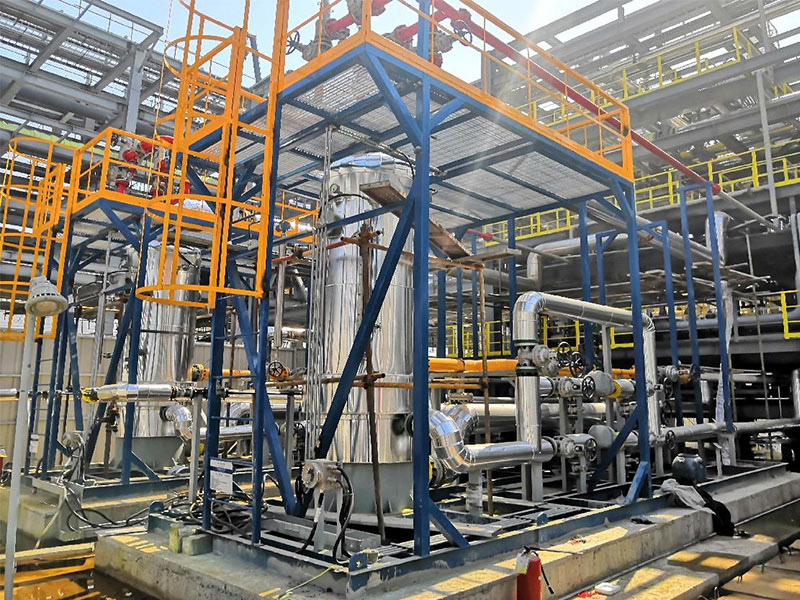
For tasks that demand great accuracy and protection, like flare and boiler ignition gas systems, we suggest our Electric Water Bath LPG Vaporizer. This gear employs a managed water bath to pass heat to the LPG. The system uses an indirect heating method to ensure safe and stable LPG vaporization. These systems have been applied in projects across Saudi Arabia and Bangladesh. There, they supply reliable ignition gas for large power plants and refineries.
High-Capacity Steam Heated LPG Vaporizer
When gas needs reach very high levels—up to tens of thousands of kilograms per hour—our Steam Heated LPG Vaporizer fits best. This system utilizes existing plant steam resources to turn liquid LPG into gas. It serves as a highly efficient fix for stopping “insufficient gas supply”. Our efforts for key petrochemical groups show their strength. These systems have been applied in large-scale petrochemical projects in India.
The Strategic Advantage of Modular Design
Rapid Deployment and Space Optimization
In an industrial building, time equals money. Okay Energy’s skid-mounted LPG vaporizer units aim for fast site setup. Since they undergo factory tests and pre-assembly, they cut down on-site pipe and wiring hassles. The small, modular build also saves space. Factories can place high-output vaporization gear in limited areas that old fixed systems could not reach.
Versatile Solutions for Diverse Industries
Our tech goes beyond one area. It covers Natural Gas Blending & Calorific Value Control systems that aid steel mills in balancing fuel blends. It also includes LPG-Air Synthetic Natural Gas Supply Solutions that act as the main energy for places lacking pipelines. We supply a full range of industrial LPG vaporizer options that follow world standards, such as ISO 9001/14001 and ASME. This means clients get top-grade gear no matter where they operate.
Conclusion
Getting a steady, ongoing gas flow forms the core of any current factory. As we have seen, counting on natural vaporization invites trouble during high demand and chilly weather. By choosing a capable industrial LPG vaporizer from Okay Energy, business heads in the industry can remove dangers like frosting, pressure drops, and expensive stops. Our combined, PLC-managed, and modular fixes, including the Electric Water Bath LPG Vaporizer and the Steam Heated LPG Vaporizer, build the steadiness and output needed in the current market. In the end, we offer more than tools; we bring the ensuring reliable and continuous industrial gas supply.
Contact Okay Energy today to learn how our tailored industrial LPG vaporizer fixes can steady your factory’s gas flow and improve energy use.
FAQ
Q: How do I know if my factory needs an industrial LPG vaporizer?
A: If you spot “frosting” on your LPG tanks, face quick drops in gas pressure at busy times, or see burners tripping often, your site probably has a “industrial gas supply instability.” An industrial LPG vaporizer from Okay Energy fixes these by maintaining stable LPG vaporization performance, no matter tank fill or outside temperature.
Q: What is the difference between an Electric Water Bath LPG Vaporizer and a Steam Heated LPG Vaporizer?
A: The key difference lies in the heat method. An Electric Water Bath LPG Vaporizer relies on power to warm a water bath, which suits exact handling in setups like ignition systems. A Steam Heated LPG Vaporizer taps into plant steam already there, which works better for big-volume fuel or process gas applications in major plants.
Q: Can a skid-mounted LPG vaporizer be customized for my specific plant?
A: Yes. At Okay Energy, we excel in “non-standard gas equipment” built for harsh setups. Our Integrated LPG Vaporization Unit adapts to capacities from 10 kg/h to 50,000 kg/h, with tailored pressure levels and PLC setups to fit your exact needs.