
Choosing the right water bath vaporizer for an LPG or LNG project is not only about vaporization capacity. It also affects energy cost, installation complexity, operating stability, and long-term safety. For many industrial users, the real question is not whether to choose a water bath vaporizer, but which heating method is more suitable: electric heating or steam heating.
An electrically heated water bath vaporizer and a steam heated water bath vaporizer share the same indirect heat transfer principle. Both use hot water to vaporize liquefied gas through submerged heat exchange tubes. The difference lies in the heat source. Electric heating is often preferred for sites without steam infrastructure, while steam heating is more suitable for facilities that already have boilers, steam pipelines, or surplus steam resources.
This guide explains how each system works, where each option performs better, and how to select the right water bath vaporizer for LPG stations, LNG systems, fuel gas supply, ignition gas, flare gas, and large industrial applications.
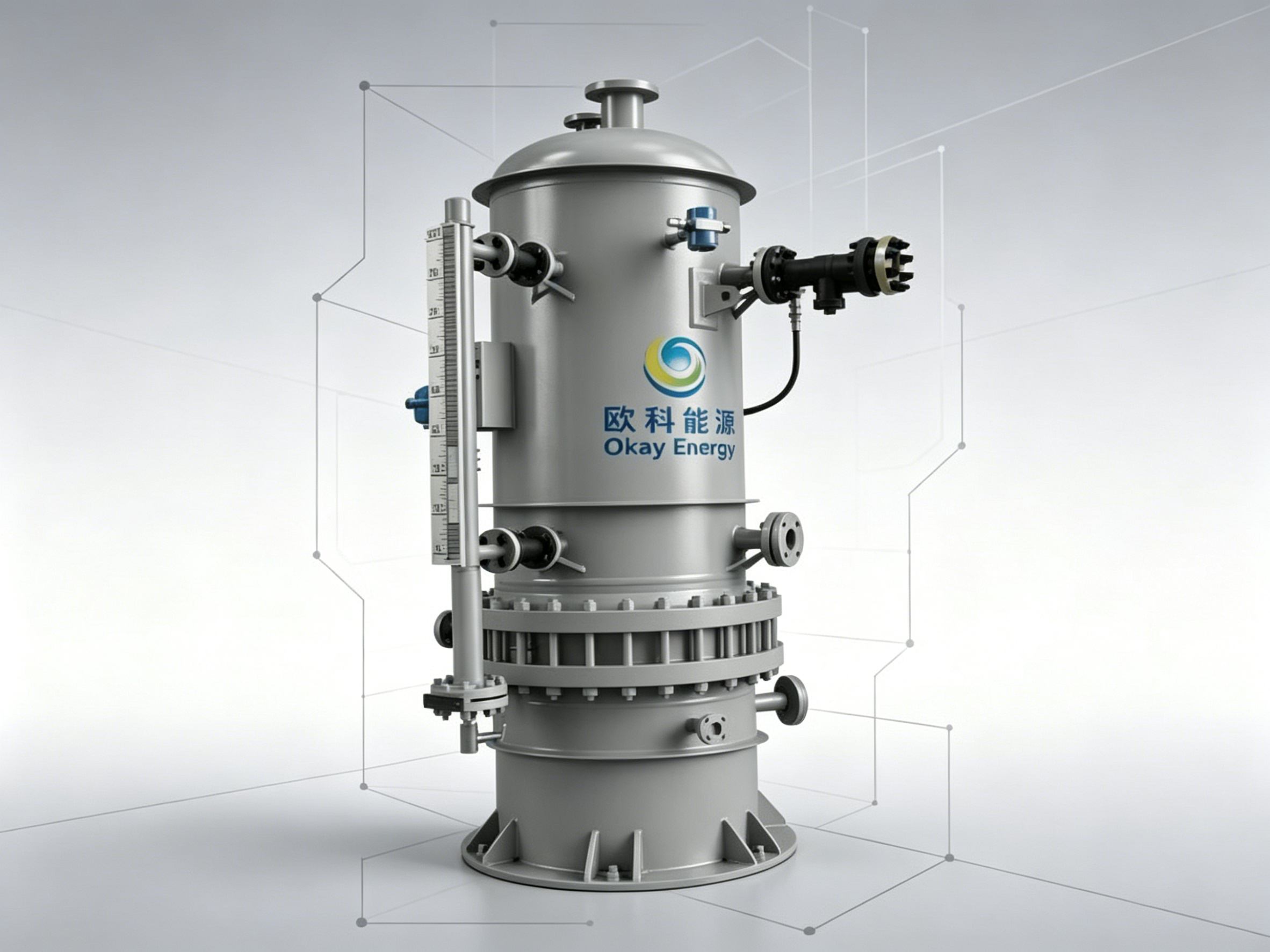
Vaporization Principles Overview
How an Electrically Heated Water Bath Vaporizer Works
An electrically heated water bath vaporizer uses electric heating elements to heat the water inside the vaporizer. The LPG, LNG, or other liquefied gas passes through stainless steel heat exchange tubes immersed in the hot water bath. As heat is transferred from the water to the liquid gas, the liquid gradually vaporizes and becomes a stable gas supply for downstream use.
This design is suitable for sites without steam boilers or centralized steam systems. It is often used in small and medium-sized LPG stations, industrial fuel gas systems, power plant ignition systems, and skid-mounted gas supply units. With automatic temperature control and safety protection, the electrically heated water bath vaporizer offers simple installation, flexible operation, and reliable performance.
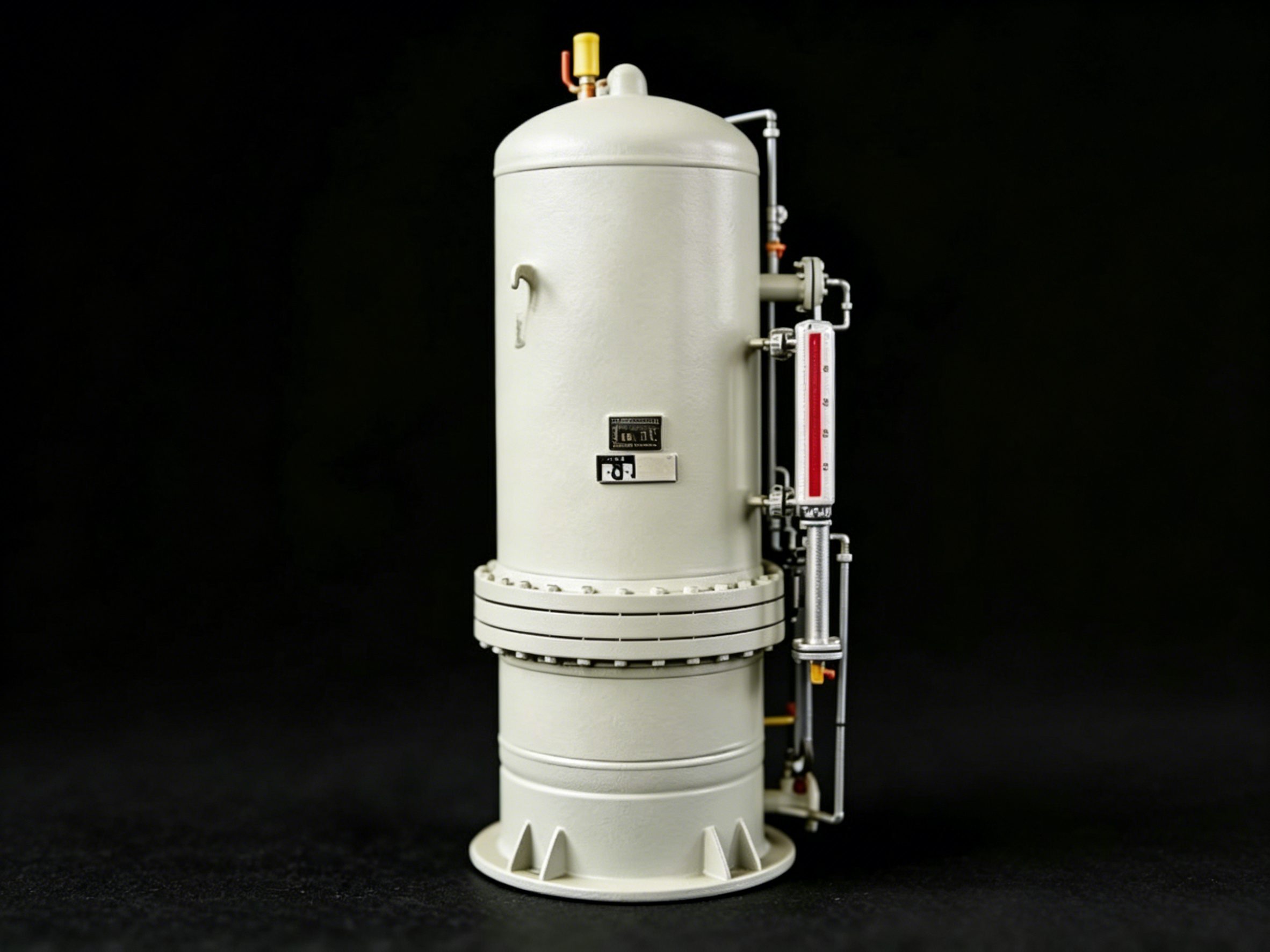
How a Steam Heated Water Bath Vaporizer Works
In a steam heated water bath vaporizer, saturated steam is used to heat the water bath. In this process, saturated steam goes into the water bath chamber and loses its heat during condensation. After losing heat, the steam becomes water and gets mixed with the water present in the water bath, while excess water is drained off via the overflow. Heated water gives out heat to the liquefied gas that passes through the heat exchanger tubes. This kind of vaporizer is more appropriate in industries where steam boilers are available.
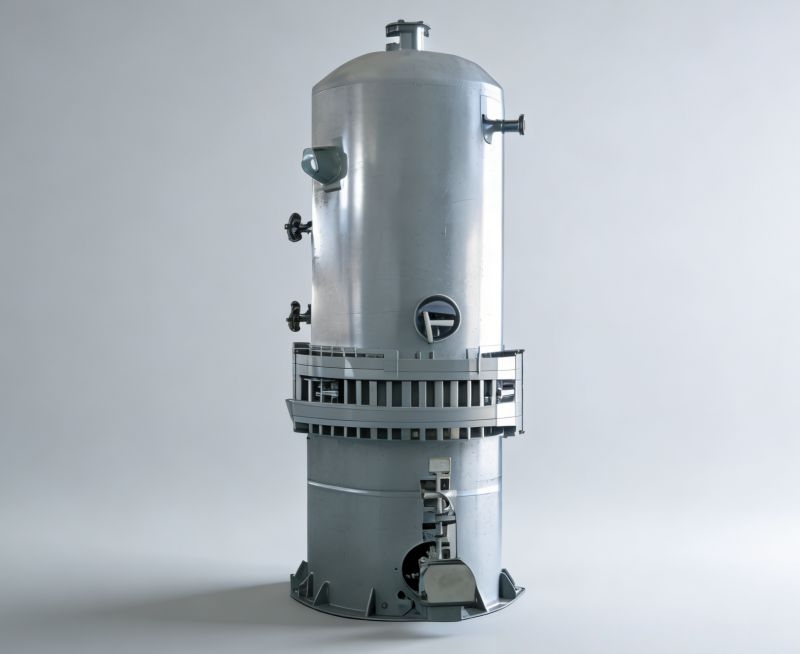
Electric Heating vs Steam Heating Comparison
When comparing electric heated and steam heated water bath vaporizers, the key factor is not the vaporization principle, because both systems use hot water as the indirect heat transfer medium. The real difference lies in the heat source.
A steam heated water bath vaporizer is more suitable for facilities that already have steam boilers or centralized steam pipelines. Saturated steam releases heat into the water bath as it condenses, helping the system support large and continuous vaporization demand with lower operating cost when steam is readily available.
Electrically heated water bath vaporizer is better suited for locations where there is no steam system available. The electricity-powered heater heats up the water bath directly, thus simplifying its installation and operation. Such type of equipment is preferred in applications where flexibility of installation is of greater importance than the availability of large quantities of steam.
Industrial Selection Strategies
Choosing the Right Heating Method for an Industrial LPG Vaporizer
Industrial LPG vaporizer selection should begin with three questions: Does the site have a stable steam source? What is the required vaporization capacity? Will the system operate continuously or only during certain production periods?
If the facility already has a steam boiler or surplus steam, a steam heated water bath vaporizer is often a practical choice for large-flow and continuous LPG vaporization. It uses the existing steam resource to heat the water bath, reducing reliance on high electrical power and supporting stable gas supply for heavy industrial users.
If the site does not have a steam source, an electrically heated water bath vaporizer is usually easier to install and operate. It only requires a suitable power supply and can be integrated into skid-mounted LPG supply systems, ignition gas systems, small industrial gas stations, and backup fuel gas applications.
For LNG vaporization projects, the same selection logic applies, but the system design should also consider cryogenic temperature resistance, heat exchange area, outlet gas temperature, pressure regulation, and safety control requirements.
Critical Factors for LNG Vaporizer Systems
Designing an LNG vaporizer system requires careful consideration of cryogenic temperature, heat exchange area, outlet gas temperature, pressure regulation, and safety control logic. LNG can reach temperatures as low as -162°C, so the tube bundle and related components should be selected according to low-temperature service requirements.
When choosing between electric heating and steam heating for an LNG water bath vaporizer, engineers should first evaluate the available heat source at the project site. If the site has stable steam supply and large continuous vaporization demand, a steam heated water bath vaporizer can be considered. If the site does not have steam infrastructure or requires a compact skid-mounted system, an electrically heated water bath vaporizer may be more practical.
For LNG applications, the system design should focus on stable water bath temperature, proper heat transfer capacity, reliable pressure protection, water level control, low-temperature alarms, and emergency shut-off functions. These safety and control functions should be configured according to actual project requirements.
Optimized Solutions for Diverse Industries
Why Choose a Steam Heated Water Bath Vaporizer
A steam heated water bath vaporizer is suitable for facilities that already have steam boilers, centralized steam pipelines, or surplus steam resources. Since the system uses saturated steam to heat the water bath, it can reduce the demand for high electrical power and support stable vaporization under large and continuous gas consumption.
This heating method is commonly used in petrochemical plants, steel mills, industrial fuel gas systems, large LPG stations, and peak shaving applications. For these projects, the main advantage is not that the vaporization principle is different, but that the existing steam resource can be used as an economical and stable heat source.
Why Choose an Electrically Heated Water Bath Vaporizer
An electrically heated water bath vaporizer is more suitable for sites without steam boilers or centralized steam systems. The water bath is heated by electric heating elements, so the system is easier to install and can be integrated into skid-mounted gas supply units.
This design is often used in small and medium LPG stations, power plant ignition gas systems, flare gas supply systems, backup fuel gas systems, and industrial users with moderate gas demand. Its main advantages are flexible installation, automatic temperature control, and simple daily operation.
The Okay Energy Customization Advantage
Global Project Experience and Standards
Okay Energy is more than a manufacturer; we are a global partner in energy infrastructure. Okay Energy provides customized vaporization solutions for LPG and LNG projects across industrial gas supply, petrochemical, power generation, and manufacturing applications.
Modular Systems for Scalable Growth
At Okay Energy, we specialize in modular skid-mounted systems that grow with your business. Our Integrated LPG Storage & Vaporizing Unit can combine the vaporizer with pneumatic shut-off valves, self-operated regulators, and PLC controls, integrated on a single skid. This modular approach simplifies on-site construction, reduces installation time, and allows for easy expansion through additional skids as your gas demand increases.
Conclusion
Choosing between an electrically heated water bath vaporizer and a steam heated water bath vaporizer is mainly a decision about available site utilities, required vaporization capacity, installation conditions, and long-term operating cost.
Both systems belong to the water bath vaporizer category and both use hot water as the indirect heat transfer medium. The electrically heated water bath vaporizer is suitable for sites without steam infrastructure and offers flexible installation and simple operation. The steam heated water bath vaporizer is more suitable for facilities with existing steam resources and larger continuous gas demand.
For LPG and LNG projects, the best solution should be selected according to actual flow rate, heat source availability, safety control requirements, and future expansion plans. Okay Energy can provide customized water bath vaporizer solutions based on project conditions, helping industrial users build stable, safe, and efficient gas supply systems.
Looking for a reliable vaporization system partner? Contact Okay Energy today for a professional technical consultation and a tailored equipment quote for your next project.
FAQ
Q: Does a steam heated water bath vaporizer include a gas-liquid separator?
A: In this type of steam heated water bath vaporizer, saturated steam is only used as the heat source for the water bath. After releasing heat, the steam condenses into water and mixes with the water inside the bath. Excess water is discharged through the overflow outlet. Therefore, a gas-liquid separator is not part of this steam heating process.
Q: Which type is better for LPG vaporization?
A: The choice depends on site utilities and gas demand. If the site has no steam source and needs a flexible skid-mounted solution, an electrically heated water bath vaporizer is usually more suitable. If the site already has a steam boiler and requires large continuous gas flow, a steam heated water bath vaporizer is often may offer better operating cost advantages.
Q: What happens to the steam inside a steam heated water bath vaporizer?
A: The saturated steam releases heat as it condenses into water. The condensed water mixes with the water inside the vaporizer, and excess water is discharged through the overflow outlet to maintain the proper water level.