
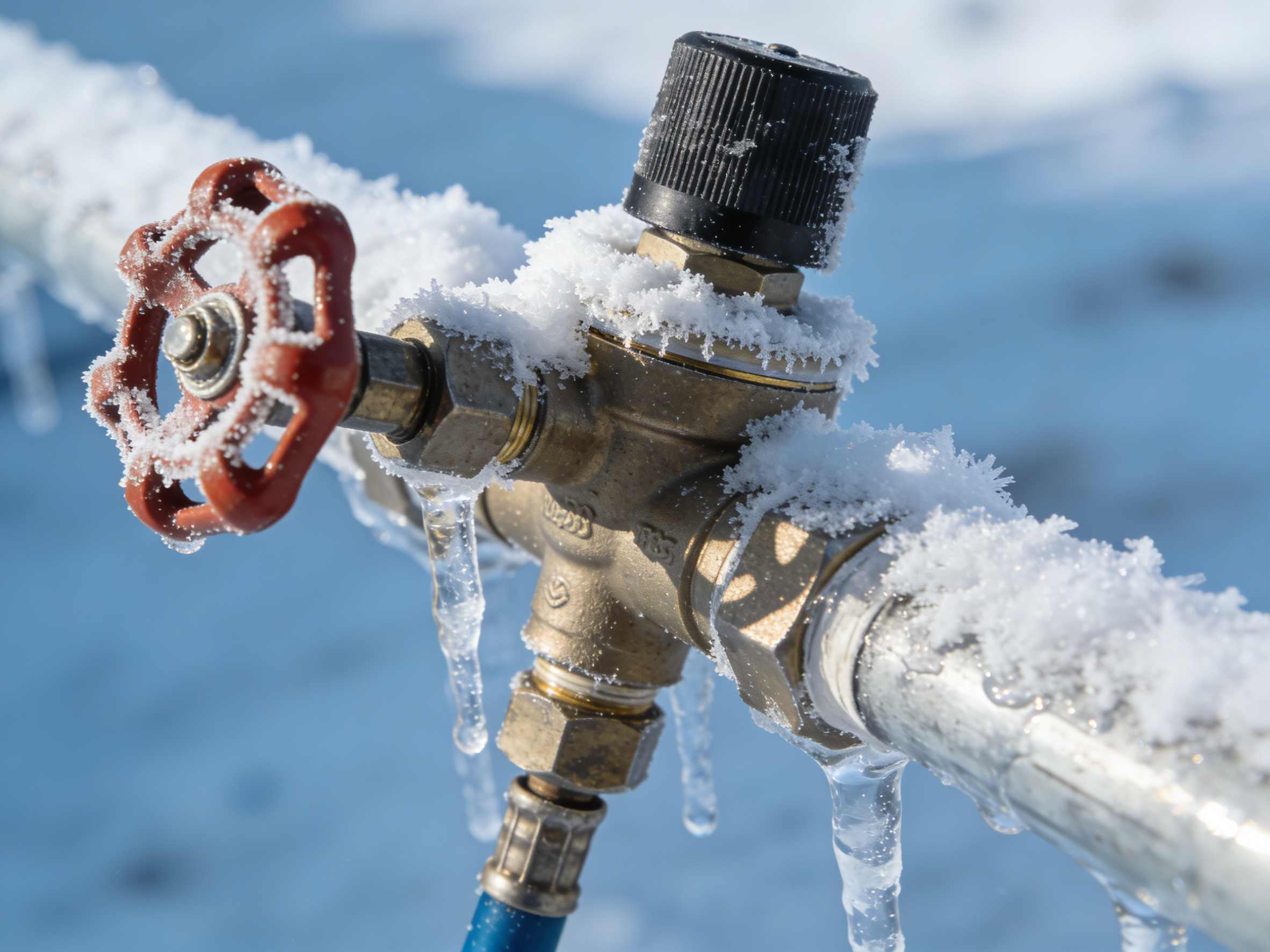
Understanding Ice Blockage in Gas Systems
One of the most common winter problems is gas regulator freezing caused by moisture in the gas stream. When gas pressure drops rapidly inside regulators or valves, the temperature falls sharply due to the Joule–Thomson effect. Any remaining water vapor can freeze instantly, forming ice that blocks internal passages and interferes with pressure regulation. Without proper winterization, this issue may escalate into unstable gas flow, reduced LPG vaporization efficiency, or even system shutdown.
To keep operations stable during harsh winter conditions, operators must focus on moisture control, thermal protection, and reliable vaporization technology. Modern skid-mounted solutions—such as integrated natural gas pressure regulating and metering skids or LPG vaporization units—are designed to minimize freezing risks by combining filtration, pressure control, monitoring, and heating systems in one compact platform.
Impact on LPG Systems
Ice blockage in an LPG system can disrupt gas flow and pressure balance. The uneven incoming pressure can hinder the LPG turning-to-gas process. This occurs because the vaporizer may struggle to maintain stable vaporization under fluctuating load conditions. Safety risks increase when equipment fails due to freezing. A stuck regulator might not shut right. This leads to too much pressure or full stops in work. That’s why solid vaporization tools matter, like Okay Energy’s electric water bath or steam heated vaporizers. They ensure safe and stable operation under varying temperature conditions.
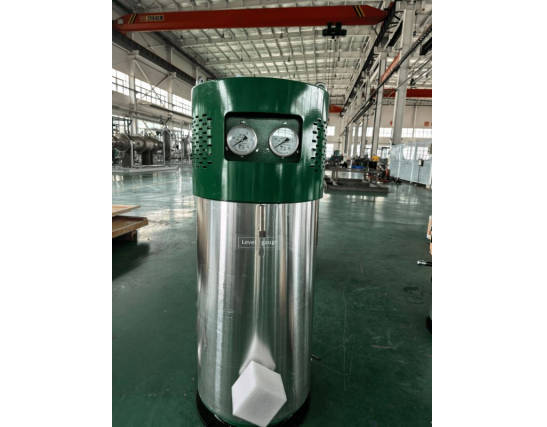
The Integrated LPG Storage & Vaporization Unit integrates an LPG vaporizer, pneumatic or electric control valve, emergency shut-off valve, self-operated regulator, and PLC control system into a single skid-mounted unit. It holds tight control on entry and exit pressures, usually 0.4–1.0 MPa at the inlet and 0.2 MPa at the outlet. This ensures reliable gas supply even when ambient temperatures drop significantly.
| Vaporization System Type | Capacity Range
(Nm³/h) |
Typical Outlet Pressure
(MPa) |
|---|---|---|
| Ambient Air Vaporizer | 50 – 300 | 0.2 – 0.4 |
| Electric Water Bath Vaporizer | 100 – 500 | 0.2 – 0.5 |
| Steam Heated Vaporizer | 200 – 1000 | 0.3 – 0.6 |
| Integrated Skid Unit | 50 – 500 | 0.2 (adjustable) |
Winterization Strategies for Gas Skids
Preventive Measures for Natural Gas Skids
Preventing ice formation begins with effective moisture removal. Install moisture separators before regulators to ensure no moisture reaches critical parts, preventing ice formation inside the system. Okay Energy’s natural gas pressure regulating & metering systems fine-tune pressure for users. They combine a filter, a pressure regulator, a flow meter, and a PLC control system in one or several skids, depending on the job. This all-in-one approach lets you monitor moisture levels all the time. It stops water buildup from forming.
Keeping the heat steady matters just as much. Add heaters, heat tracing, or heat tapes around vital spots. They hold regulators above freezing in harsh cold, like during blizzards reaching -20°C. Do routine checks too. Look at seals, test sensor readings, and clean filters. These measures improve long-term operational reliability. At Okay Energy, our ready-to-move skid designs make these jobs easier. They reduce stop times, which is key for sites running 24/7, such as power plants drawing steady natural gas flows.
Emergency Solutions for Frozen Regulators
If a regulator freezes, do not use warm water for thawing, as this could cause internal damage. Instead, use controlled heating methods such as warm air fans or other safe thawing techniques to gradually restore normal operation. You might set up a short-term side path, too. It keeps work going during fixes.
For tougher fixes needing expert help, Okay Energy offers on-site fixes from skilled engineers. As a National High-Tech Enterprise based in Tianjin High-Tech Industrial Zone, Okay Energy blends energy tech research, top gear making, and field services. We bring fresh energy fixes to spots worldwide. Our team trains to tackle frozen regulator crises quickly and safely.
Ensuring System Readiness in Cold Weather
Preparing the LNG System for Winter
LNG systems need extra care in winter because of their super-cold setup. Wrap pipes and parts in good insulation. This stops too much heat loss. It helps maintain stable thermal conditions to support controlled LNG vaporization.
The Integrated LNG Storage & Vaporization Unit links a cryogenic storage tank, ambient air vaporizer, pressure regulation system, flow metering unit, and PLC control system into a movable skid-mounted setup. It handles turning-to-gas from 50 Nm³/h to 500 Nm³/h. Outlet pressures adjust near 0.2 MPa. Additionally, perform trial runs at low temperatures before winter to identify potential issues such as weak insulation or stiff valves.
Maintaining Pressure Stability in Cold Conditions
Firm pressure control is vital for LNG and LPG systems in winter. Changing heats can shift gas weight and how regulators react. Without fixes, response slows. Smart sensors in Okay Energy’s PLC-run skids track live details. These include pressure gaps between in and out, plus heat shifts.
Tweak regulator setups for season shifts. This keeps gas rates even under different pulls. For key spots like city gas entry points or factory users needing a non-stop supply, add backup for main parts. Think extra regulators or heaters. This avoids one failure, stopping everything.
Okay Energy’s full-package modular fixes have gone into use in more than 30 countries. They serve fields like oil & gas, chemicals, power generation, metal works, and city gas lines. Our builds match ASME rules with ISO9001/14001 approvals. This guarantees solid work in tough surroundings, proven in over 500 installs where winter challenges tested limits without major breaks.
Conclusion
If you want to prevent frozen regulators, unstable pressure, or winter shutdowns, the right system design makes all the difference. Okay Energy provides integrated LPG, LNG, and natural gas skid solutions designed for reliable performance in challenging environments. Our systems combine pressure regulation, vaporization, filtration, and intelligent PLC control to ensure safe and stable gas supply across a wide range of industrial applications.
Contact Okay Energy today to learn how our customized gas skid solutions can help you improve reliability, reduce downtime, and keep your operations running smoothly all winter long.
FAQ
Q: How does ice blockage form in a gas skid?
A: Ice blockage forms when moisture in the gas stream freezes due to rapid pressure drops that cause temperature decreases inside regulators or valves.
Q: What are the risks of a frozen regulator?
A: A frozen regulator can lead to unstable gas flow rates, reduced LPG vaporization efficiency, potential overpressure incidents, or complete operational shutdowns.
Q: How can I prevent my gas skid from freezing?
A: Install moisture separators upstream of regulators, use heaters or heat tracing along pipelines, insulate exposed sections effectively, and conduct regular maintenance checks before winter arrives.