
An LPG Mixing Skid System helps stabilize industrial fuel supply by measuring gas streams, controlling the blending ratio, regulating pressure, and monitoring operating conditions through an integrated PLC system. For facilities that depend on consistent fuel quality, this approach provides a more controlled path from LPG storage or vaporization to the downstream gas network.
LPG combustion characteristics may vary when the gas composition, flow rate, or supply pressure fluctuates. A properly engineered skid-mounted solution addresses these variables in one coordinated package, supporting applications such as industrial and residential gas supply, synthetic natural gas production, distributed energy, and steel mill fuel systems.
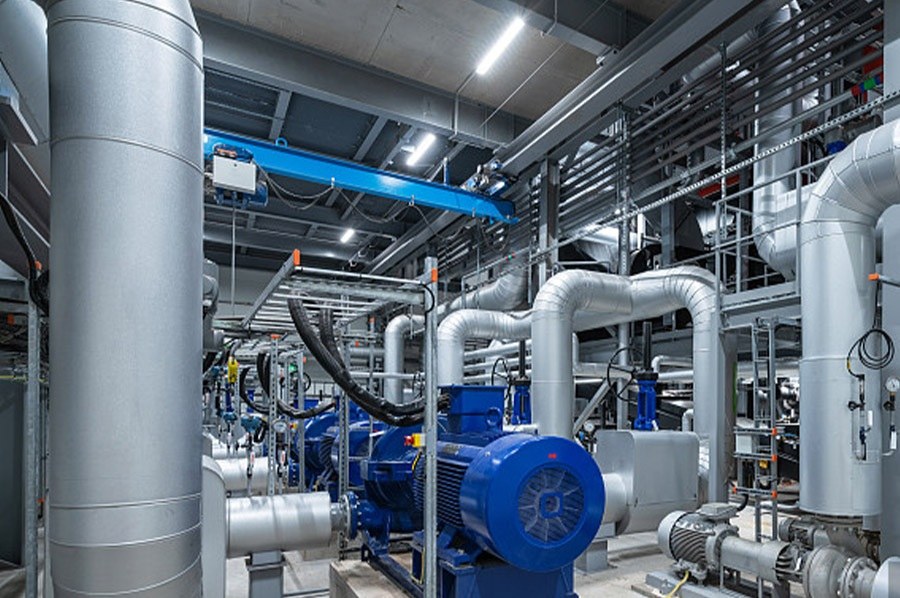
Why Industrial LPG Supply Requires Accurate Blending Control
LPG Composition and Blending Ratio Control
LPG systems may receive streams with different compositions and operating conditions. The proportion of propane and butane affects the resulting fuel properties, so a fixed manual setting may not deliver the same output during every operating period. Flow ratio control enables automatic adjustment of each gas stream according to the predefined blending ratio.
Maintaining Stable Calorific Value
In industrial combustion systems, Wobbe Index is also an important parameter because it directly affects burner interchangeability and combustion stability. Stable calorific value matters wherever burners, boilers, furnaces, or other thermal equipment are designed around predictable fuel behavior. Okay Energy’s calorific value control solutions can combine LPG, natural gas, air, nitrogen, coalbed methane, blast furnace gas, coke oven gas, converter gas, and producer gas according to the application. The aim is consistent fuel quality and dependable combustion performance.
Working Principle of an Automatic LPG Mixing Skid System
Flow Metering and Ratio Control
The process begins with independent measurement of each gas stream. Depending on accuracy requirements, the skid may include mass flow meters, pressure transmitters, temperature sensors, and optional gas composition analyzers. The PLC receives operating data and coordinates the adjustment of the streams so that the blended gas remains within the required process conditions.
Mixing Chamber and Pressure Regulation
After metering, the streams pass through the mixing section and pressure regulation equipment, including pressure regulators or control valves. The mixing section is designed to achieve sufficient gas homogenization before delivery to downstream consumers. These functions are especially important when the mixed gas must move from a storage or preparation area into a continuous industrial supply line.
PLC Control and Sensor Monitoring
Automation improves process repeatability, operational monitoring, and control accuracy. A PLC control system can coordinate flow measurement, ratio adjustment, pressure regulation, and instrument feedback signals.
Key Components and Specifications of an Industrial LPG Mixing Skid
Integrated Equipment Configuration
A typical Okay Energy skid-mounted gas package can integrate filtration, a mixing chamber, pressure regulation, flow metering, an integrated instrumentation and monitoring system, and PLC control in one modular arrangement. When liquid LPG requires conversion into gaseous fuel, an LPG vaporization system can be integrated into the overall gas supply package.
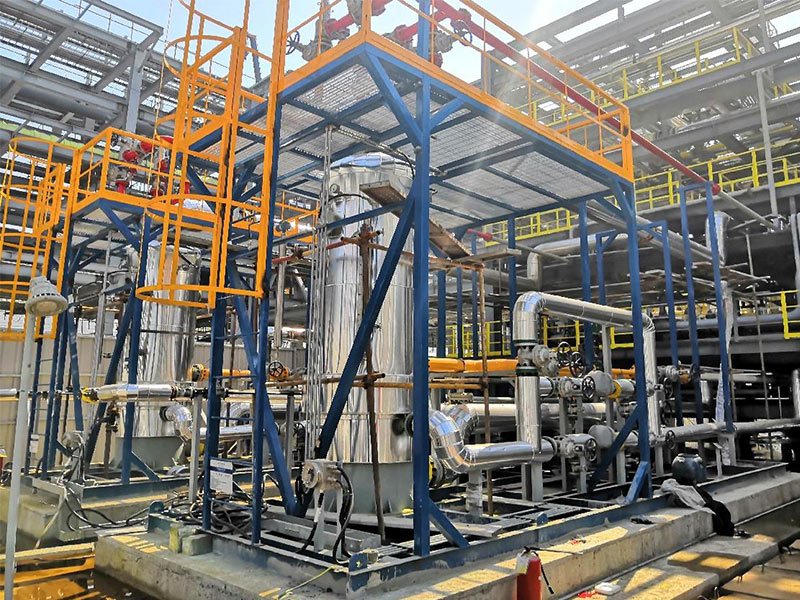
Modular Installation and Transportation
Skid construction brings the main process components together on a transportable steel frame. Project materials identify quick-connect piping with DN50 flanges or user-adjusted connections, integrated lifting lugs, and road-transportable dimensions as typical design features. Factory assembly can also simplify site connection and help keep installation work focused on the prepared interfaces.
Industrial Applications of LPG Blending and Calorific Value Control Systems
Industrial and Residential Gas Supply
Blending equipment can support industrial or residential gas supply networks when the available gas streams need composition or heating-value management. It is also relevant to distributed energy systems, where stable fuel conditions help generation equipment operate against a more predictable input.
SNG and Calorific Value Control
In SNG applications, LPG and air can be blended to create a gas with a defined operating profile for downstream users. The overall gas management system can be integrated with industrial energy recovery solutions where required.
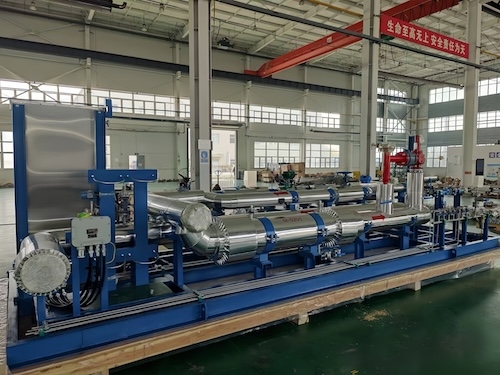
Steel Mills and Process Fuel Systems
Steel mills and other process industries may handle several gas sources with different heating values and pressures. A centralized gas mixing and calorific value control system gives operators a structured way to combine those streams before they reach production equipment, supporting more consistent fuel management across changing operating conditions.
How to Select the Right LPG Mixing Skid System
Confirm the Gas Type and Required Mixing Ratio
Start with the actual gas sources, target composition, inlet pressure, temperature, and required outlet condition. These details determine whether the project needs LPG-only blending, LPG and air mixing, or a broader calorific value control arrangement for multiple gas streams.
Match Capacity and Pressure Requirements
Capacity should be matched to the complete operating plan rather than only the nameplate consumption of one burner. Peak gas demand, operating load profile, downstream pressure requirements, and future expansion capacity should be considered. Using the documented product ranges as a starting point, the final design should be selected around the project’s verified process data.
Review Automation and Safety Functions
Safety functions may include emergency shutdown systems, gas leak detection, pressure protection, and safety interlocks depending on project requirements. A practical specification review should cover flow measurement, automatic valves, pressure regulation, filtration, sensor feedback, PLC logic, and emergency response requirements. Okay Energy provides integrated equipment and technical support through its industrial gas engineering services, allowing the system architecture to be aligned with the process rather than assembled from unrelated components.
Conclusion
A well-designed LPG Mixing Skid System brings measurement, blending, pressure management, and automation into one coordinated industrial solution. By controlling the variables that most often affect fuel consistency, it can help downstream users maintain a more stable and reliable gas supply across changing operating conditions. Okay Energy’s modular gas equipment portfolio supports this approach with LPG, natural gas, air, hydrogen, nitrogen, and other industrial gas applications.
For a system aligned with your gas media, flow range, pressure conditions, and application goals, explore Okay Energy’s industrial gas solutions.
FAQ
Q: What is an LPG Mixing Skid System?
A: It is a modular gas equipment package that combines flow measurement, mixing, pressure regulation, sensors, and PLC control. The system is designed to blend LPG or other gas streams under controlled conditions, helping industrial and energy users achieve consistent fuel composition and stable downstream supply conditions.
Q: How does automatic LPG blending improve fuel stability?
A: Automatic blending measures the incoming streams and adjusts their flow against a defined ratio. Because the control system can respond to changes in flow or pressure, it helps reduce variation in the mixed gas and supports more predictable combustion and thermal performance for downstream equipment.
Q: What parameters should be checked before selecting a skid?
A: Review the gas media, target mixing ratio, inlet and outlet pressure, required flow rate, operating temperature, storage or distribution plan, and automation requirements. Filtration, pressure regulation, sensor feedback, connection type, and site installation conditions should also be included in the technical review.