
Around the world, the drive for zero carbon has sped up the need for fresh ideas to lower harmful gas emissions. Many countries now offer rules that push hydrogen use. They do this with rewards and funding for infrastructure.
One big plus of hydrogen and Natural Gas blending is how it fits with setups already in place. Okay Energy advocates for the integration of hydrogen into existing natural gas pipelines. This boosts safety and effectiveness in moving hydrogen. It also cuts the expense of building new hydrogen setups. That fit makes blending a practical short-term move toward a full hydrogen-based energy world.
On top of that, rules from regulators are changing to back this shift. Okay Energy is the main editor of China’s “Technical Specifications for Natural Gas Hydrogen Blending Stations”. This shows our strong role in tech and how we match policy needs.
What Is Hydrogen Blending with Natural Gas
Hydrogen blending with natural gas means mixing hydrogen into regular natural gas flows. This creates a fuel with fewer carbon emissions for various industrial needs. The blended mixture works in areas like power plants and steel mills. It does so without needing big changes to current gas setups.
The main reason for this approach is to help the environment. Hydrogen combustion primarily produces water vapor, though small amounts of nitrogen oxides (NOx) may be generated depending on combustion conditions. When industries add it to natural gas, they cut down their carbon output a lot. At the same time, they keep a steady supply of energy.
Principles Behind Gas Blending Systems
Fundamentals of Calorific Value Control
Calorific value, or heating value, is the amount of energy given off when a fuel burns. In factory settings, keeping this value steady matters for smooth work in gear like boilers, turbines, and ovens. Changes in heat value can lead to poor burning, harm to machines, or risks to safety. So, exact handling of mixed amounts is key. It keeps operations running without issues.
Components of a Gas Blending System
A good gas blending setup includes main parts like gas flow controllers, pressure regulators, precision sensors, and a mixing chamber. These pieces team up to make an even gas mix. Automation takes a big part here. Okay Energy’s integrated skid-mounted systems have PLC control setups. This allow ongoing checks and flexible adjustments. These setups fit easily into plants that already exist. They often include fast-link pipes and sizes that fit on roads for simple moves.
Okay Energy’s Heat Value Control System
Overview of the Heat Value Control System
Our own Heat Value Control System gives exact, hands-off handling of gas mixes. It utilizes a custom dynamic blending method and advanced sensing technology. The accuracy for heat value control hits ±1%. In critical applications, such as in power plants or industrial furnaces, the system can achieve an accuracy of ±0.5%.. The system handles active blending of gases such as natural gas, LPG, air, nitrogen, coalbed methane (CBM), blast furnace gas (BFG), and hydrogen.
It has built-in safety backups. These include checks on gas levels from many points and quick shut-off guards. They keep things safe over the full run time.
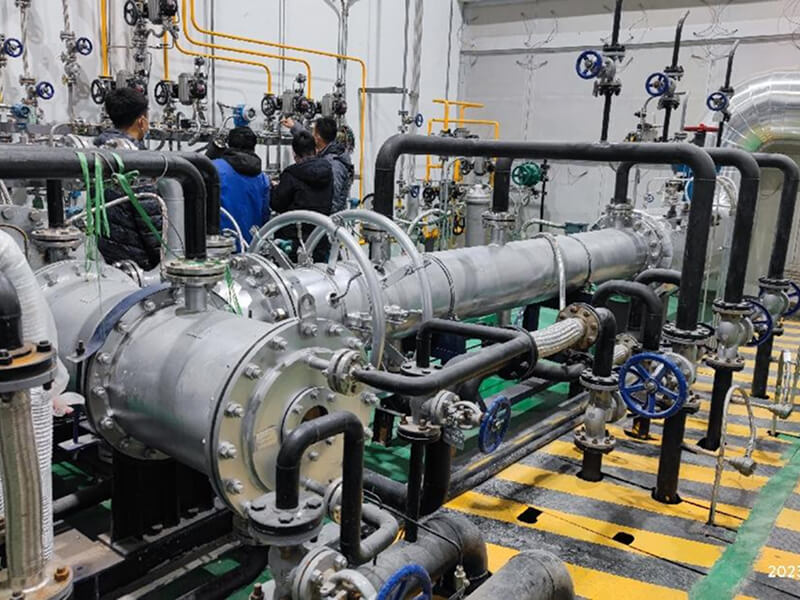
How the System Ensures Accurate Gas Blending
The system takes live heat value readings. It then tweaks the mix amounts using smart methods. Features like auto handling and switching of various gas supplies, plus a feedback loop that works in real time, let it adjust ratios on the fly. It responds to shifts in gas sources or demand changes. All this holds steady output quality.
For those running it, the display is clear and simple. It shows full details on how the system performs. This makes handling tough tasks easier with less need for people to step in.
Enhancing Industrial Safety, Efficiency, and Sustainability
By preventing excessive or insufficient heat input, our system stabilizes industrial processes and reduces maintenance and repair costs. In industrial applications, blending low-calorific value gases—such as blast furnace gas—with natural gas improves overall energy efficiency and can increase effective heat output by 10%–20%. Precise calorific value control ensures consistent and reliable performance.
In addition, incorporating low-calorific gases helps reduce emissions to meet national environmental regulations. Since these gases contain inherent heat value, they partially replace natural gas consumption, lowering overall fuel usage. As a result, total annual energy demand can be reduced by 5%–10% or more, achieving both energy savings and emission reductions. Furthermore, automated operation minimizes manual intervention, reducing labor costs and human error. Over time, this translates into substantial operational savings and enhanced sustainability for customers.
Strategic Collaboration with Tsinghua University
Purpose and Scope of the Partnership
We formed a key research tie-up with Tsinghua University. The goal is to push forward with hydrogen-natural gas blending tech. By teaming with Tsinghua University on better hydrogen blending burn methods, this link ensures our tools meet tough school checks. Yet they stay useful for factory work.
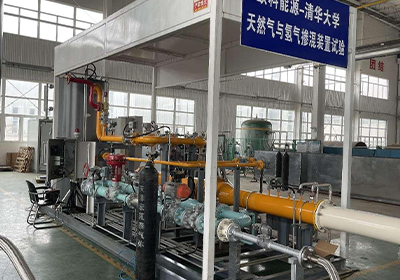
Impact on Product Innovation and Reliability
Tsinghua University’s input has shaped our control methods and boosted how dependable products are. It improves the evenness of hydrogen and natural gas mixes. This lifts burn effectiveness by 5%. It also trims gases like carbon dioxide that harm the air. In turn, this strengthens our focus on green practices and new ideas.
Applications Across Industrial Sectors
Use Cases in Manufacturing Facilities
Our calorific value control systems find use in fields like steel making, glass works, chemical plants, and power sites. Blended gases power heating setups in processes, such as boilers and ovens, in a more effective way. The steady heat flow cuts down on equipment strain over time.
Integration into Energy Infrastructure Projects
Our systems also fit into major setup projects, like LNG intake points and city pipelines. China’s first province-wide tech demo for natural gas-hydrogen blended home heating used our blending system. It had a 20% hydrogen share. Such uses back country plans to cut carbon. They allow cleaner energy flow through old setups.
Challenges in Hydrogen Blending Implementation
Technical Barriers to Adoption
The small molecular size of hydrogen can lead to embrittlement and leakage issues in standard pipeline materials. Problems like brittleness call for picking strong stuff. Our systems tackle this with tough materials fit for high-pressure hydrogen spots. Burn patterns differ a lot between natural gas and hydrogen. Our live tweak methods help keep burns steady across different mix levels.
Regulatory and Safety Considerations
Hydrogen blending follows tight rules on max amounts, often held at 20%. Okay Energy backs a hydrogen blending ratio of ≤20%. This matches country guides. Top control tech, like our Heat Value Control System, keeps runs safe. It watches gas levels non-stop and triggers fast stops if something’s off.
Future Outlook for Industrial Gas Management
Trends Driving Hydrogen Adoption
World efforts to drop carbon get help from more government perks, fees on carbon, and tech advances that cheapen hydrogen production. Hydrogen blending gives a doable path to wider hydrogen economy aims. It skips the need for huge changes to setups.
The Evolving Role of Control Systems
The call for clever control setups will grow as factories want more auto work and better energy handling. Okay Energy’s modular skid-mounted solutions allow quick setup. They work with fresh builds and updates to old ones. Features like scaling up and fitting changes will matter most. They suit systems ready for varied fuels in the years ahead.
FAQ
Q: What is the main purpose of blending hydrogen with natural gas?
A: The goal is to reduce carbon emissions while utilizing existing natural gas infrastructure, enabling a smoother transition toward cleaner industrial energy.
Q: How does Okay Energy’s Heat Value Control System maintain stable calorific values?
A: It combines a purpose-built heat value control system with a patented mixing device designed according to actual operating conditions. Real-time sensors and adaptive algorithms continuously adjust blend ratios, while the customized mixer ensures uniform blending of different gases, maintaining stable and consistent calorific values for industrial applications.
Q: Is it safe to use hydrogen blended with natural gas in traditional equipment?
A: Yes, when managed properly with advanced systems like Okay Energy’s Heat Value Control System, which ensures safe mixing ratios and pressure levels.
Q: Can existing industrial plants adopt this technology without major retrofitting?
A: In many cases, yes. Okay Energy’s system is designed for compatibility with common pipeline configurations and combustion equipment.