
In factories and plants, this process is vital for getting fuels ready for burning. Take liquefied natural gas (LNG) or liquefied petroleum gas (LPG) for instance, they can be safely and efficiently supplied to burners, boilers, turbines, and other gas-fired industrial equipment. This setup fits well with gas-powered machines. It also keeps fuel flowing steadily even when the workload shifts.
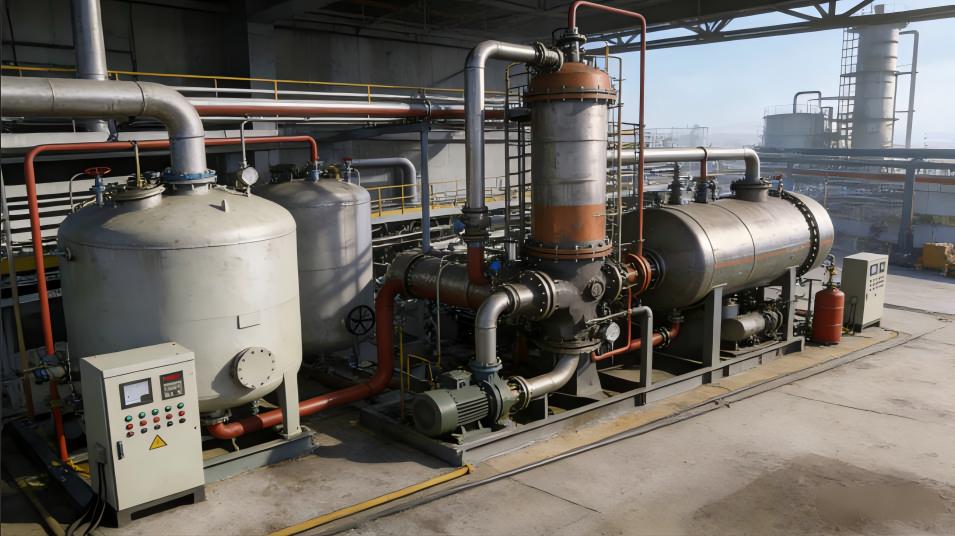
Why Vaporization Matters in Industry
Vaporization does more than just switch states of matter. It drives better energy use in factories. When liquid fuels are properly vaporized before combustion, they can mix more uniformly with air, which helps promote more complete and stable combustion. It also helps reduce emissions such as carbon monoxide and unburned hydrocarbons by improving combustion stability. Proper burning gives industries the best heat from every bit of fuel. Plus, vaporization improves how gas equipment runs. It keeps flame temperatures steady. And it reduces maintenance related to carbon deposits and combustion residues, particularly in systems using heavier hydrocarbon fuels.
The Link Between Vaporization and Energy Efficiency
While overall energy efficiency depends on the entire combustion and control system, proper vaporization plays a critical supporting role in ensuring stable and efficient fuel utilization.
How Vaporization Boosts Efficiency
Good vaporization makes sure fuel blends evenly with air before it catches fire. This mixing leads to a steady flame. It also improves heat transfer in factory tasks. So, vaporization helps control temperatures reliably. That keeps product quality high in jobs like shaping metal, handling chemicals, or making power. On top of that, it trims down unburned fuel and lost energy. As a result, fuel use drops, and running costs fall.
At Okay Energy, our team has built smart vaporization setups to help with this. For one, the Integrated LNG Storage & Vaporization Unit handles flow rates from 50Nm³/h to 1000Nm³/h. You can tweak the outlet pressure to fit your exact needs. This ready-to-move unit packs in cold storage, air-based vaporizers, pressure controls, flow checks, and PLC systems. It’s great for spots that need quick setup, like remote sites or short-term projects.
Common Challenges Without Proper Vaporization
If vaporization isn’t handled well, burning stays incomplete. That builds up carbon inside burners and pipes. Clogs form, and maintenance ramps up. Soot and residue from poor burning also pollute the air. It drags down energy use, too. Other troubles pop up, like temperature swings that mess with product standards. Fuel use climbs because of these flaws. Costs go up as a result. And safety in operations can take a hit. Think of a chemical plant where poor vaporization can contribute to uneven combustion, which may increase the risk of localized overheating in boilers over time. That not only wastes fuel but also risks equipment failure over time.
Applications in Industrial Gas Equipment
Role of Vaporization in Fuel Preparation
In heavy-energy sectors, vaporization turns liquid fuels such as gasoline or ethanol into gases that fit combustion setups. This step creates an even mix with air. It leads to cleaner burning and less carbon buildup. The Integrated LPG Storage & Vaporization Unit from Okay Energy demonstrates this process in industrial applications. Depending on the heating method, vaporization capacity can range from small to ultra-high throughput levels. Electric heating systems typically support capacities up to 1,000 kg/h, making them ideal for precise control and moderate demand scenarios. For large-scale continuous operations, steam-heated skid-mounted vaporization units can achieve single-unit capacities of up to 60,000 kg/h, meeting the needs of refineries, large boilers, and energy-intensive facilities.This movable unit works for lighting flares or feeding boilers. It has self-run regulators and PLC controls for safe, exact work.
How Okay Energy Optimizes This Process
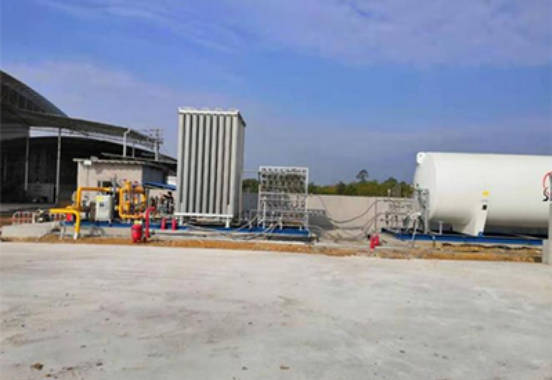
Okay Energy focuses on supplying LNG gasification, LPG gasification, CNG pressure drop, NG pressure control and measurement, gas cleanup, industrial gas gasification, hydrogen, and other ready-to-move integrated gear. We design these for tight control of temperature and flow to match different factory uses. Take the LNG Satellite Station, for instance. It combines air vaporizers with cold storage tanks and pressure controls. These fit well for gas supply in factories or city setups. Quick-link pipes and built-in lift points make setup fast and easy to move. Our gear needs little groundwork for a plug-and-play install. That’s handy for far-off spots or brief jobs, like temporary construction sites needing reliable gas.
Advantages of Using Okay Energy Solutions
Better Performance and Lower Costs
Our products give top-notch vaporization. They pull the most heat energy from each fuel portion. Over time, this means real savings on costs. In places like refineries, steel mills, or chemical factories, better running cuts waste. Utility bills drop, too. Items like the Cryogenic Gas Vaporization System come with advanced PLC controls. Clients get auto checks and tweaks. Operations run smoothly without constant hands-on work.
Eco-Friendly Benefits
A big plus from vaporization is less harm to the environment. It cuts bad emissions by pushing full burning. Okay Energy gear helps factories use fuel better. This aids in meeting tough green rules. It supports worldwide efforts to lower carbon emissions, too. In combination with optimized burner design and combustion control, improved vaporization can contribute to lower NOx emissions by enabling more stable and controllable flame conditions. We hold ISO 9001/14001 certifications for our own designs. ASME standard engineering brings dependability. And our 24/7 support team responds fast.
Tips for Improving Industrial Energy Efficiency
Regular Equipment Maintenance
Keeping vaporizing systems in check is key. Wipe down nozzles and burners to stop clogs from partial burning. Check parts like heat exchangers and flow meters often to confirm they work correctly. Okay Energy tests all products at the factory before shipping. Our 20-person service team backs this up. We draw on years of hands-on know-how for quick, solid after-sales help. In busy plants, scheduling checks every three months has proven to extend equipment life by 30%, based on client feedback from high-use environments like gas terminals.
Monitoring Fuel Quality and Flow Rates
Stick with top-grade fuels that match your gear. Tweak flow rates to fit production demands. Systems like the Peak Shaving LNG Plant let you adjust pressures up to 0.4Mpa for varied needs. Built-in smart meters track flow live. This keeps things at their best performance. For example, in a network of urban gas lines, real-time monitoring prevents over-supply during low-demand nights, saving 10-15% on fuel. High-quality monitoring ties directly to smoother runs and fewer surprises.
Conclusion
Based in Tianjin’s High-Tech Industrial Zone, Okay Energy leads in pushing vaporization tech forward. We aim to lift running efficiency and back cleaner energy in fields from city gas lines to steel mills and LNG hubs. Our approach blends three main areas: energy tech research, top-tier gear building, and project services. This mix delivers fresh energy fixes around the world. Drawing from over a decade of projects, we’ve equipped more than 500 sites globally, proving our systems’ reliability in everything from harsh conditions to bustling urban plants.
FAQ
Q: What is the main purpose of vaporization in industry?
A: It helps convert liquid fuel into gas for cleaner, more efficient combustion in industrial systems.
Q: How does vaporization improve energy efficiency?
A: By ensuring more complete fuel burning, it reduces waste and boosts heat output per unit of fuel.
Q: Can vaporization reduce emissions?
A: Yes, better combustion leads to fewer pollutants like CO2, NOx, and unburned hydrocarbons.
Q: How often should vaporizing equipment be serviced?
A: Regular maintenance is recommended every few months, depending on usage intensity and fuel type.