
Remote industrial facilities and off-grid industrial plants face significant energy supply challenges. Large mining operations, steel plants, and remote chemical facilities require uninterrupted energy to maintain operational efficiency. Without a pipeline, managers must choose between two main off-grid options: Liquefied Natural Gas (LNG) and Synthetic Natural Gas (SNG). At Okay Energy, we help close this gap. We provide top-tier industrial energy tools and have deep expertise in LPG Blending with Air & Urban Gas Networks. As a National High-Tech Enterprise with over 15 years in the field, we have set up modular systems in more than 30 countries. Our goal is to make sure “remote” does not mean “unreliable.” This article looks at the costs and practical sides of SNG and LNG. It will help you find the best fuel plan for your remote industrial facility.
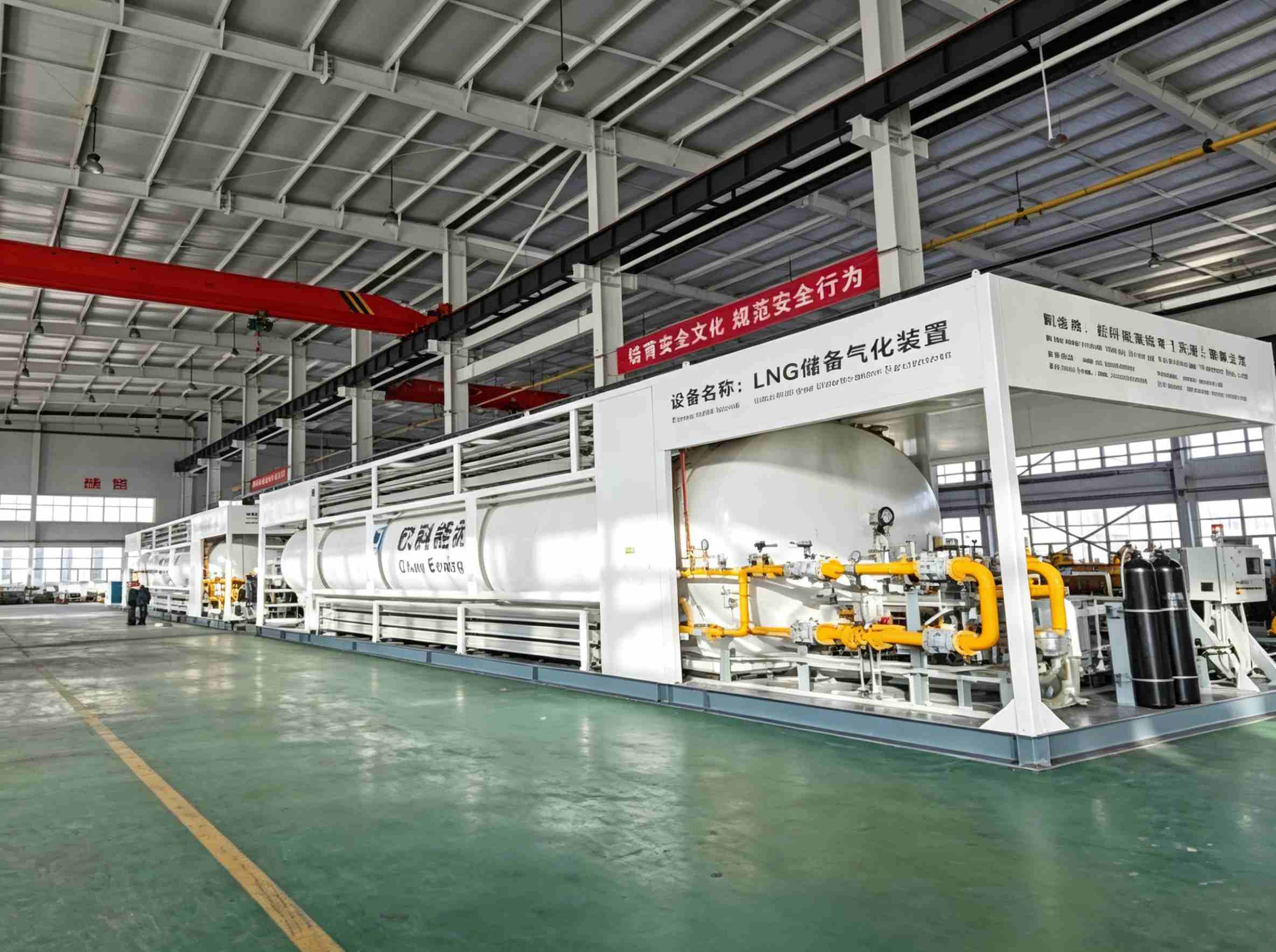
Decoding Remote Industrial Gas Supply Challenges
The Critical Pipeline Infrastructure Gap
In many places, such as Southeast Asia, Africa, and parts of the Middle East, gas pipelines are still being built. For a distant industrial plant, waiting for a government project is not a smart move. This lack of pipes forces leaders to use “virtual pipelines.” These methods move gas by road or sea in liquid or compressed forms so it can be used on-site.
Demands of Continuous Heavy Industry Power
Heavy industries like steel making cannot stop their work. If gas pressure drops suddenly, machines can fail or production can stop. This leads to significant production losses. Because of this, any off-grid setup must be as steady as a city grid. We provide industrial natural gas pressure regulation and metering systems that maintain stable gas pressure for continuous operations. This ensures that even remote systems follow the toughest industrial rules.
Navigating Off-Grid Fuel Reliability
Reliability involves more than just the machines. It is about the whole supply chain. For remote spots, picking between SNG and LNG often comes down to which fuel is easier to get and store. You have to think about seasonal changes or shipping delays. Whether you require an emergency gas supply during pipeline outages or a continuous long-term fuel supply, the system must ensure reliable off-grid gas delivery.
Supply Chain Dynamics: SNG vs LNG
LNG Logistics and Cryogenic Transport Costs
LNG is natural gas chilled to -162°C. This cooling shrinks its size for easier shipping. However, it needs a very specific supply chain. This includes special tankers and vacuum-sealed storage. For far-off sites, the cost of these logistics goes up as the distance from the LNG terminal grows. These high costs can quickly wipe out the low price of the gas itself.
SNG Production via LPG Blending with Air
SNG is mostly made through LPG Blending with Air & Urban Gas Networks. We mix vaporized Liquefied Petroleum Gas (LPG) with air in exact amounts. This produces a “drop-in” synthetic natural gas (SNG) compatible with standard industrial burners. It can be precisely blended to match the Wobbe Index and combustion characteristics of natural gas. LPG is often easier to send to remote areas than LNG. It does not need super-cold temperatures, so you can buy it from many different sellers.
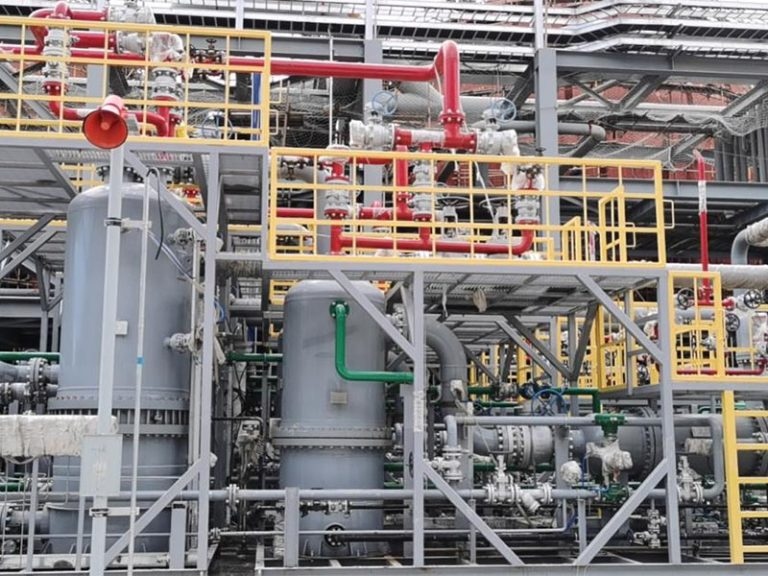
On-site Fuel Availability and Strategic Buffering
Storing LPG is usually simpler than storing LNG. At Okay Energy, we offer an Integrated LPG Storage & Vaporizing Unit. It puts the vaporizer, control valves, and a PLC system into one skid. This lets industrial sites keep a large backup of fuel on-site. You don’t have to worry about the heavy insulation that cryogenic liquids require.
Operational Complexity and Maintenance Requirements
Challenges of Managing Cryogenic LNG Systems
Running an LNG system takes special skills. Working at -162°C means you have to handle “boil-off gas” (BOG). You also must ensure parts don’t get brittle and break from the cold. Our Cryogenic Gas Vaporization Equipment, like the Ambient Air Vaporizer, uses a stainless steel design to manage these cold levels. Still, the whole system is more complex than those that work at normal temperatures.
Streamlined Maintenance of SNG Blending Systems
Compared with cryogenic LNG systems, SNG blending systems generally involve fewer low-temperature components and may simplify routine maintenance. This is true for those using our Industrial Gas Blending/Calorific Value Control and Management tech. The process uses standard LPG vaporization, often with an Electric Water Bath LPG Vaporizer. Since the system uses mechanical or electronic gas blending, operational staff require minimal specialized training compared to managing cryogenic LNG systems.
Scaling Capacity with Modular Equipment
Both choices use modular parts. For example, our LNG Peak Shaving Plant/Station is built in a factory and tested before it ships. This removes the stress of building on-site. In the same way, our SNG systems can grow by adding more blending skids. We use this modular style for big clients like CNPC and Sinopec. It allows for quick growth as your energy needs rise.
Economic Comparison: SNG or LNG Costs
Analyzing Initial Infrastructure Capital Expenditure
LNG setups often need more money upfront. This is because cryogenic tanks and vacuum pipes are expensive. A standard Integrated LNG Storage&Vaporization Unit might use tanks from 10m³ to 60m³. While they work well, the starting cost for SNG systems (LPG-Air) is usually lower. This is because their storage tanks are standard pressure vessels instead of complex cryogenic units.
Transport Distance and Long-term Operational Savings
The choice between SNG and LNG often rests on how far you are from the fuel source. LNG holds a lot of energy, so it is cheaper to move over very long paths if the right trucks are available. If cryogenic LNG transportation is cost-prohibitive or logistically challenging, SNG (produced via LPG blending) can offer a lower Total Cost of Ownership (TCO) due to simpler industrial fuel logistics.
Fuel Price Volatility and Procurement Strategies
Industrial gas prices are subject to frequent fluctuations. Our Calorific Value Control System, accurate to ±1%, ensures consistent gas quality even with variable LPG supply. This allows facility managers to procure cost-effective LPG or propane efficiently. In contrast, LNG procurement may depend on regional supply infrastructure and transportation availability.
Okay Energy Modular Industrial Gas Supply Solutions
High-Performance LNG Vaporization Equipment
If LNG is the right path for your site, we provide the Integrated LNG Storage&Vaporization Unit. These are mobile, skid-mounted systems. They include a cryogenic tank (10m³ – 60m³), an Ambient air vaporizer, and a PLC control system. For bigger needs, our LNG Peak Shaving Plant/Station can manage flows from 500Nm³/h to 10,000Nm³/h. It acts as a strong end-point for any virtual pipeline.
Advanced Industrial Gas Blending Systems
Our Industrial Gas Blending Systems are the core of our SNG work. One great example is our 6000Nm³/h SNG Blending System Project in Southeast Asia. It gave a steady LPG-Air gas supply to a region without pipelines. These systems use smart Calorific value control. This ensures the SNG works perfectly with your current burners and turbines.
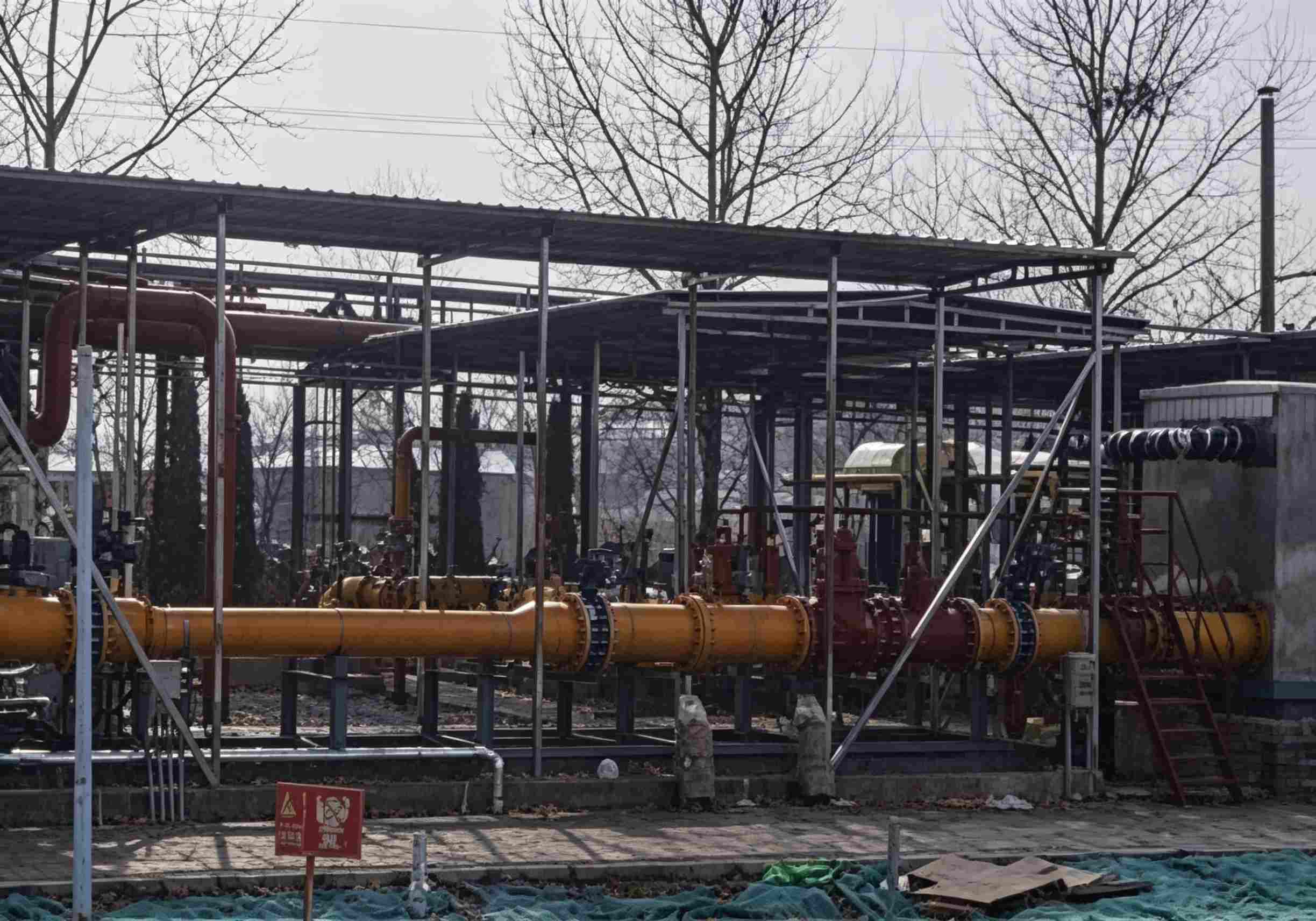
Rapid Deployment Skid-mounted Gas Supply Stations
Setting up quickly is just as important as the cost. Our Skid-mounted Gas Supply Stations for LNG, LPG, or CNG are put together and tested in our factory. For instance, our Malaysia CNG Pressure Regulating & Gas Supply Station Project used a 3500Nm³/h Skid-mounted System. It gave an industrial park gas right away. These “plug-and-play” units reduce work on-site and start up fast.
Conclusion
Choosing between SNG and LNG for a remote industrial site is a critical decision, impacting long-term profitability and operational uptime. LNG is great for sites that can reach cryogenic shipping. It is supported by our LNG Satellite Station and Integrated LNG Storage&Vaporization Unit. On the other hand, SNG via LPG Blending with Air & Urban Gas Networks is a simpler and very reliable option. It is best where LPG is easy to get. At Okay Energy, we do more than make machines. We provide full gas solutions for your specific area. By using our modular, skid-mounted units, you can keep your site powered and ready for the future.
Want to improve your remote energy setup? Talk to the team at Okay Energy today. We offer expert advice on Skid-mounted Gas Supply Stations and industrial gas tools.
FAQ
Q: Is SNG a safe choice for industrial burners?
A: Yes. SNG made via LPG Blending with Air & Urban Gas Networks is built to match the Wobbe Index of natural gas. It is a “drop-in” fuel. You can use your current burners safely without making big changes or losing power.
Q: When does LNG become more expensive than SNG?
A: There is no single distance, but the balance usually shifts when the cost of special cold transport for LNG is more than buying LPG. In some remote regions, SNG may provide a lower total cost of ownership when LNG transportation infrastructure is limited.
Q: Can Okay Energy systems be moved if a project is short-term?
A: Yes. Most of our tools, like the Integrated LNG Storage&Vaporization Unit and our Skid-mounted Gas Supply Stations, are built to move. They have lifting points and fit on standard roads. This allows for fast moving with very little site work.