
The world is moving toward cleaner energy. This shift has put natural gas at the center of industrial and city growth. However, natural gas is highly flammable and is typically transported under high pressure, making continuous pressure monitoring essential for safe operation. This means we need high measurement accuracy in how we monitor and control it. Gas distribution involves complex setups, from long-distance pipes to final burning stages. Keeping pressure steady is the main factor in staying safe and avoiding total system failure. At Okay Energy, we specialize in solving these problems with smart instruments. By putting high-accuracy pressure transmitters into modular units, Okay Energy makes sure every bit of gas reaches its goal safely and steadily.
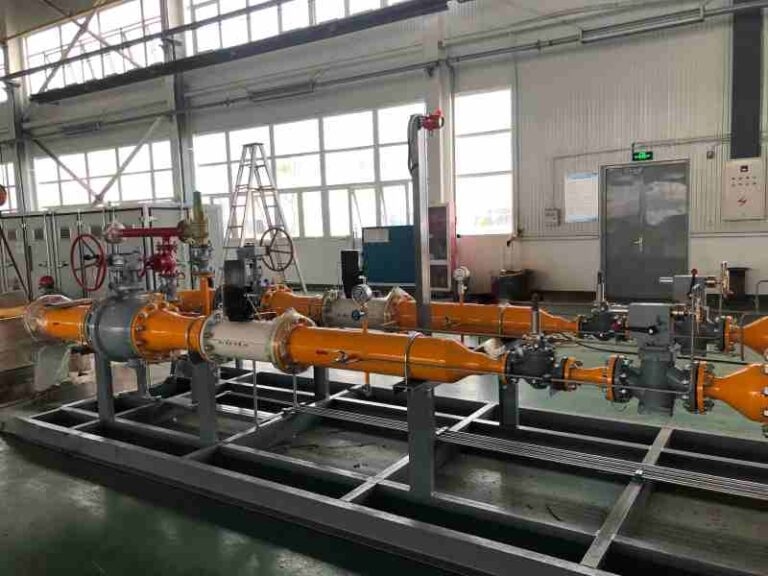
Why Pressure Monitoring is Essential
Ensuring Operational Safety
Natural gas catches fire easily. It often travels through pipes at very high pressure. If no one watches it constantly, a system can face overpressure. This might cause pipes to burst or seals to break. We offer high-end Pressure Transmitter units that serve as the primary pressure sensing device in the control loop. They give real-time pressure data to provide early detection of abnormal pressure conditions. For hazardous areas, our transmitters come with an explosion-proof build. This helps them comply with hazardous-area protection standards.
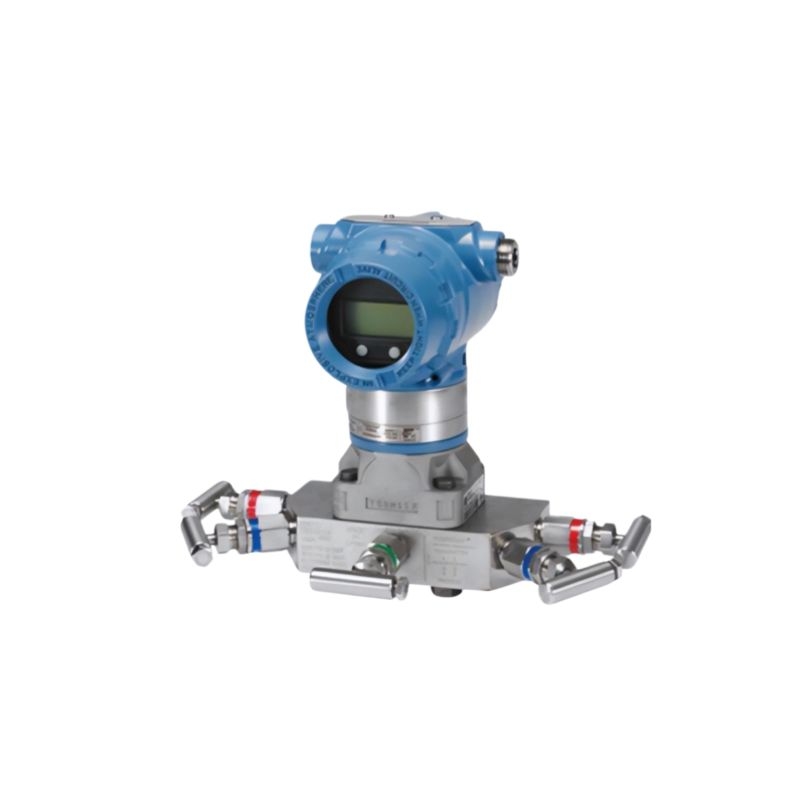
Preventing Costly Energy Waste
In the gas business, being exact means making more money. If pressure fluctuations go unnoticed, it leads to measurement errors. This wastes gas and costs money. Our Pressure Transmitter provides a high measurement accuracy of ±0.075% FS. This level of measurement accuracy enables operators to maintain stable pipeline pressure, optimize gas flow, and improve overall operational efficiency.
Key Pressure Transmitter Applications
Natural Gas Gate Stations
City gate stations are where gas pressure first drops from big main lines to local pipes. At this vital spot, our Pressure Transmitter continuously monitors inlet and outlet pressure. This info is a must-have for the Natural gas pressure regulating system. It allows the system to regulate downstream pressure smoothly. As a result, people in the city get a steady supply of gas without any breaks.
Gas Pressure Regulating Skids
Modular skids are the heart of modern gas delivery. This includes the CNG Pressure Reducing Device and the Gas pressure regulating and metering skid. In these setups, the Pressure Transmitter provides feedback signals for pressure control valves and regulators. We have used these tools in many places, such as a 3500Nm³/h Skid-mounted System in Malaysia. There, keeping things steady is key for the local industrial park.
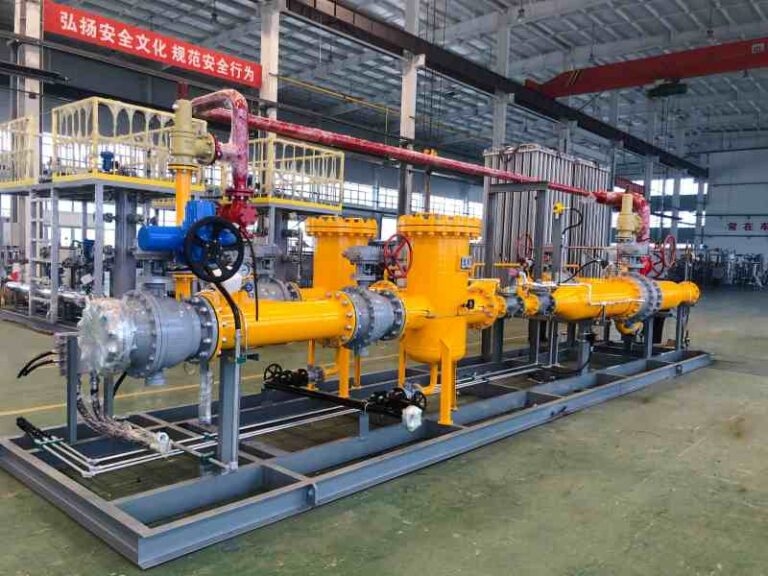
Industrial Boiler Systems
Big factories must stabilize gas pressure before it enters a burner. Our Pressure Transmitter is often found in the fuel lines for industrial boilers. It maintains stable combustion performance. Pressure transmitters supplied by Okay Energy have been applied in industrial boiler, LPG, LNG, and natural gas projects across Asia, Africa, and the Middle East. By giving 24/7 data, our tools prevent unplanned shutdowns due to shaky fuel supply.
City Gas Distribution Networks
Managing gas in a city requires many layers of control. We place transmitters at different spots in the grid to find leaks or blocks. Our units use 4-20mA & HART Communication. This lets gas companies monitor the entire gas distribution network through a PLC control system. It saves time because they do not have to send workers to check every site manually.
Combustion and Burner Systems
In high-tech factories, the heat value of the gas must be controlled tightly. Our Calorific control system uses pressure and flow data to maintain the required calorific value by controlling gas blending.
Okay Energy Precision Solutions
High Accuracy Measurement Technology
At Okay Energy, we know that industrial environments often expose field instruments to vibration, temperature fluctuations, moisture, and corrosive media. Our Pressure Transmitter uses advanced sensing technology to stay stable for a long time. It works in temperatures from -40°C to +85°C. The outer case is made of tough aluminum or stainless steel. With an IP66/IP67 rating, it works great both inside and outside in any weather.
Integration with PLC Control Systems
Our gear is ready for the world of automation. Every Integrated LNG Storage & Vaporization Unit or LNG Satellite Station we build has a PLC control system. These systems talk directly to our sensors. This makes things “plug-and-play.”
Robust Explosion-Proof Design Standards
Safety is the most important thing in the gas world. Our transmitters can come with special safety certificates. They are safe for use in Zone 0, 1, or 2 hazardous areas. This makes them the ideal solution for high-risk spots. You can find them in an LPG liquefied petroleum gas gasification device or an LNG Regasification Station.
Pressure Transmitter Installation Best Practices
Optimal Placement in Gas Pipelines
To obtain accurate pressure measurements, put the Pressure Transmitter where there is a fully developed flow profile. Usually, this is after the filters but before tools like a Gas Turbine Flow Meter or Mass Flowmeter. Do not put them right after a sharp turn or a valve.
Maintaining Long-Term Signal Integrity
In big plants, other machines can interfere with electronic signals. We suggest using shielded signal cables for 4-20mA / HART signals. This maintains signal integrity even over long paths. Also, you should check the accuracy against a known standard regularly. This maintains long-term measurement accuracy for years. Our team is here to help you ensure long-term system reliability with very little work.
Conclusion
In today’s energy world, a gas system is only as good as its smallest sensor. Watching pressure is not just a technical task. It is the base for safety and saving money. We give them the tools to run their gas systems with total peace of mind. As gas setups get more complex, picking a good partner for monitoring is the best way to ensure a safe energy future.
Reach out to Okay Energy today for expert advice on your gas pressure needs.
FAQ
Q: Where is a pressure transmitter used in natural gas systems?
A: These tools are put in key spots. This includes city stations, Natural gas pressure regulating system units, and LNG satellite stations.
Q: Why is pressure monitoring important in natural gas distribution?
A: You must watch pressure to stop leaks or explosions from too much force. It also stops machines from failing when pressure is too low. It helps find breaks in the line quickly so the city ensures uninterrupted gas supply.
Q: How does a pressure transmitter ensure system safety?
A: It sends live info to a PLC control system. The transmitter acts like a scout. If it sees the pressure hitting a preset alarm threshold, the system can close valves or fix the flow instantly. This protects both the equipment and the people working nearby.