
In the industrial energy sector, stable gas pressure is essential for safe and efficient operations. Many users struggle to identify the right system specifications when purchasing a natural gas pressure regulating system.
Okay Energy is located in Tianjin High-tech Industrial Zone and is a national high-tech enterprise. We are a comprehensive technology enterprise focusing on the research and development, design, production, sales and EPC engineering of gas equipment and energy equipment. As a professional manufacturer of industrial gas solutions, Okay Energy provides integrated, modular, and customized Natural Gas Pressure Regulating Systems designed to ensure consistent performance across diverse applications.
This guide explores the key parameters, design considerations, and selection criteria to help engineers and procurement teams make informed decisions.
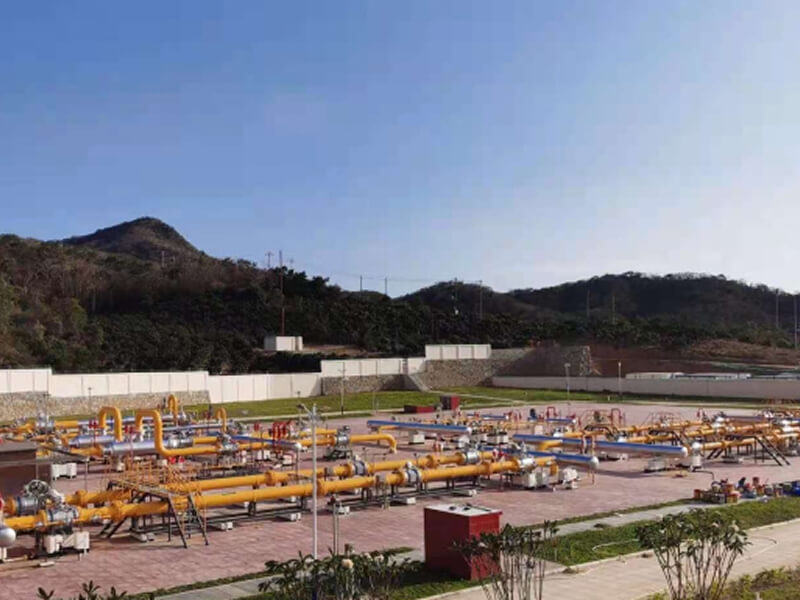
Key Selection Factors for a Natural Gas Pressure Regulating System
Determining Flow Capacity
Evaluating the maximum and minimum gas flow rates in your process is the first step toward proper system sizing. Gas flow capacity directly influences combustion performance, energy efficiency, and the reliable operation of downstream equipment. Matching system capacity with real operational demand prevents insufficient capacity selection and unnecessary oversizing that may increase project costs.
Our company provides highly integrated systems that integrate gas cleaning and filtration, pressure regulation, heating, metering, gas leakage alarm and data acquisition and monitoring functions, with extremely high integrity and reliability. For instance, Okay Energy provides Natural Gas Pressure Regulating and Metering Systems with configurable flow capacities to meet different industrial and energy project requirements.
Flow Stability and Regulation Accuracy
Stable pressure regulation helps maintain consistent gas delivery for combustion systems. Inaccurate regulation can cause flame instability or uneven heat distribution. Okay Energy integrates advanced valve control technology within its Natural Gas Pressure Regulating System, achieving an error margin of less than ±2%.
Okay Energy integrates pressure regulation, monitoring, and control technologies to improve system stability and operational efficiency.
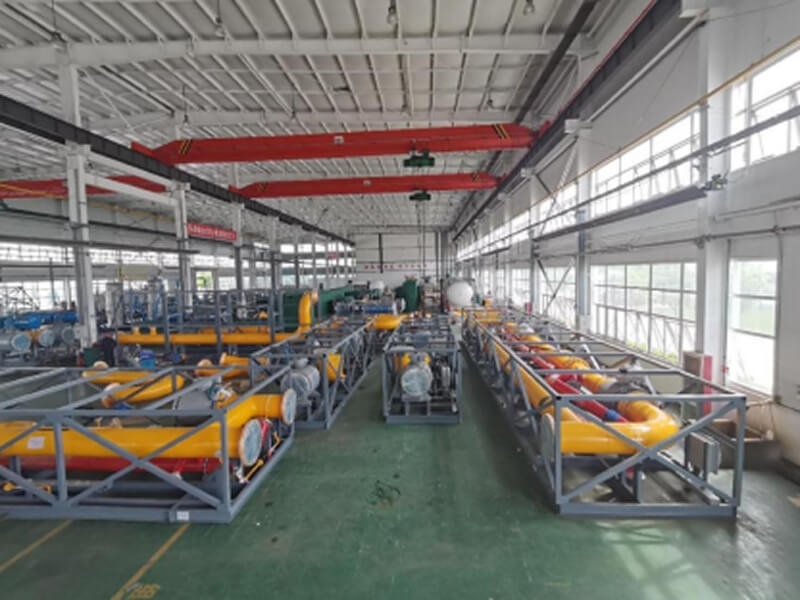
Evaluating Pressure Parameters
Inlet and Outlet Pressure Range
Industrial networks often face fluctuating inlet pressures during peak usage periods. Selecting equipment that accommodates such variations ensures reliable output pressure for end-use devices.
The system can be customized for different inlet and outlet pressure requirements according to project conditions.
Pressure Control Accuracy
Precision control minimizes deviation in critical processes such as turbine fuel supply or metallurgical heating. High accuracy ensures process reliability while meeting safety compliance standards.
According to Okay Energy’s product page, its dual-channel redundant design uses a main regulator plus a monitoring regulator with automatic switching in case of failure to maintain uninterrupted gas supply. Sensitive pilot mechanisms enable fine-tuned control even under dynamic load changes.
Considering Gas Temperature Conditions
Temperature Impact on System Performance
Temperature variations can affect gas density, flow characteristics, and pressure regulation performance. When designing a pressure regulating skid for outdoor installations or cold regions, engineers must evaluate material compatibility with extreme conditions to prevent malfunction or wear.
Thermal Compensation Design
To maintain consistent outlet pressure despite temperature shifts, thermal compensation features are vital.
Okay Energy’s systems adopt low-temperature valves combined with electric heating or a recuperator, designed to operate under different ambient temperature conditions with suitable heating and material selection. Built-in thermal balancing structures enhance long-term durability under variable climates.
Ensuring Safety and Protection Configuration
Overpressure Protection Mechanisms
Overpressure conditions may affect equipment safety and system reliability. Relief valves or automatic shut-off mechanisms are essential components in any modern natural gas pressure regulating station.
Okay Energy emphasizes multi-layer protection with intelligent safety interlocks capable of 0.1-second emergency cut-off through an ESD system. This dual safety layer—mechanical relief plus automatic cut-off—ensures continuous protection against pressure fluctuations.
Monitoring and Alarm Functions
Real-time monitoring sensors detect early anomalies before they escalate into failures. Integrated alarm functions provide instant feedback for maintenance teams through digital interfaces or SCADA systems.
Our company provides one-stop services including scheme design, equipment production, on-site installation, equipment commissioning, personnel training, after-sales service, and operation guarantee. These comprehensive technical services ensure every installed unit maintains optimal performance throughout its lifecycle.
Assessing Automation Level and Control System Integration
Manual vs Automated Operation Modes
Manual adjustment setups may suit small-scale applications but introduce risks of human error during continuous operations. Automated control systems offer superior precision by responding instantly to load variations without operator intervention.
Okay Energy’s Natural Gas Pressure Regulating System incorporates PLC-based automation, enabling automatic monitoring and valve control according to changing operating conditions. This automation not only enhances accuracy but also reduces maintenance frequency by optimizing valve actuation cycles.
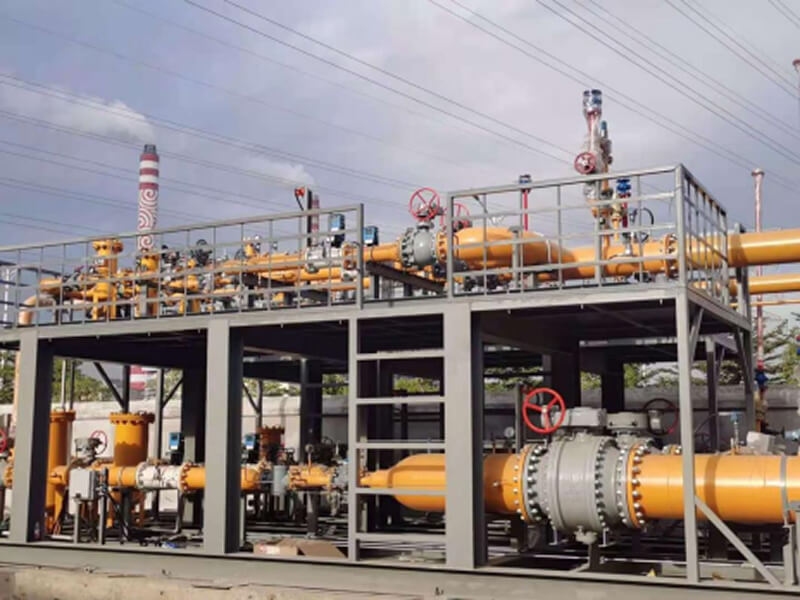
Smart Control Integration
Integration with SCADA or PLC interfaces enables remote supervision from centralized control rooms.
The company’s IoT integration allows real-time viewing of pressure and flow data through mobile phones or computers while supporting SCADA docking for remote management. Such smart connectivity transforms traditional regulation units into intelligent nodes within modern industrial IoT networks.
Exploring Skid-Mounted Design Advantages
Modular Structure Benefits
A modular skid-mounted structure simplifies transportation, installation, and commissioning compared with conventional field-assembled stations.
Customization Options for Different Industries
Every industry presents unique operating conditions—from high-flow steel furnaces requiring multi-stage reduction to low-pressure residential distribution networks demanding compact cabinets.
Our products widely serve various industries such as oil refining, chemical industry, coal, steel, metallurgy, papermaking, glass, ceramics, automobiles, and gas.
Each skid can be equipped with cyclone separators or reheaters based on medium composition to ensure clean delivery at controlled temperatures.
Conclusion
Selecting a Natural Gas Pressure Regulating System requires careful evaluation of flow capacity, pressure range adaptability, safety configurations, automation capabilities, and environmental resilience. Through decades of engineering expertise supported by ISO9001/14001/45001 certifications, Okay Energy delivers engineered modular skid-mounted solutions combining precision regulation (error <±2%), robust protection mechanisms (multi-layer ESD), and intelligent IoT-based automation—all designed for global energy infrastructure from urban networks to heavy industry.
Optimize your energy efficiency today—consult Okay Energy for your next Natural Gas Pressure Regulating System solution!
FAQ
Q: How does a skid-mounted natural gas pressure regulating system benefit industrial users?
A: Skid-mounted systems simplify installation due to factory preassembly; they reduce downtime during setup while allowing modular expansion for future capacity upgrades.
Q: Can automation improve the performance of a gas pressure control system?
A: Yes. Automated PLC/SCADA integration enables precise real-time adjustments that minimize manual error while improving overall energy efficiency across distributed operations.
Q: What parameters should be considered when selecting a natural gas pressure regulating system?
A: Key parameters include gas flow capacity, inlet pressure, outlet pressure, temperature conditions, safety requirements, and automation level.