
In the tough field of industrial energy, accuracy matters a lot. It directly affects safety and performance. Cryogenic setups, like those in LNG vaporization and gas processing plants, create some of the worst conditions for measuring devices. Think of liquid nitrogen storage or detailed regasification units. Keeping reliable data at very low temperatures remains a large issue for plant operators.
As a top supplier of industrial energy tools, Okay Energy understands these key problems well. Our Smart Cryogenic Temperature Transmitters are engineered to address these exact pain points, ensuring accurate, reliable, and real-time temperature data even in the harshest conditions.
Typical Challenges in Cryogenic Environments
Cryogenic temperature measurement means tracking fluids and gases below -150°C. In sectors such as LNG (Liquefied Natural Gas), stored at -162°C, even small errors in readings can cause major safety issues or money losses.
Measurement Drift at Ultra-Low Temperatures
One frequent problem we see is measurement drift. Regular sensors face tough thermal strain from quick chilling. As time passes, the sensor’s material traits shift. This causes calibration loss. In turn, it leads to wrong data. Such errors can harm an LNG Vaporizing (Gasification) setup. They might result in poor regasification or harm to gear. In some plants, drift reaches up to 2-3°C after months of operation.
Signal Weakness and Transmission Instability
In large industrial sites, sensors sit far from control centers. Distances often stretch to hundreds of meters. Usual low-voltage outputs from thermocouples or RTDs weaken easily. They also pick up electromagnetic noise. This issue worsens near powerful pumps or compressors. Noise can twist temperature info. As a result, it triggers false alerts or wrong automatic actions in the PLC system.
Okay Energy Smart Transmitters Technical Edge
At Okay Energy, we have spent more than 15 years improving our gas tools and parts. We target these specific issues with a focus on smart design and lasting build. Our work draws from hands-on experience in global projects, ensuring practical fixes.
High-Precision Sensing for Extreme Accuracy
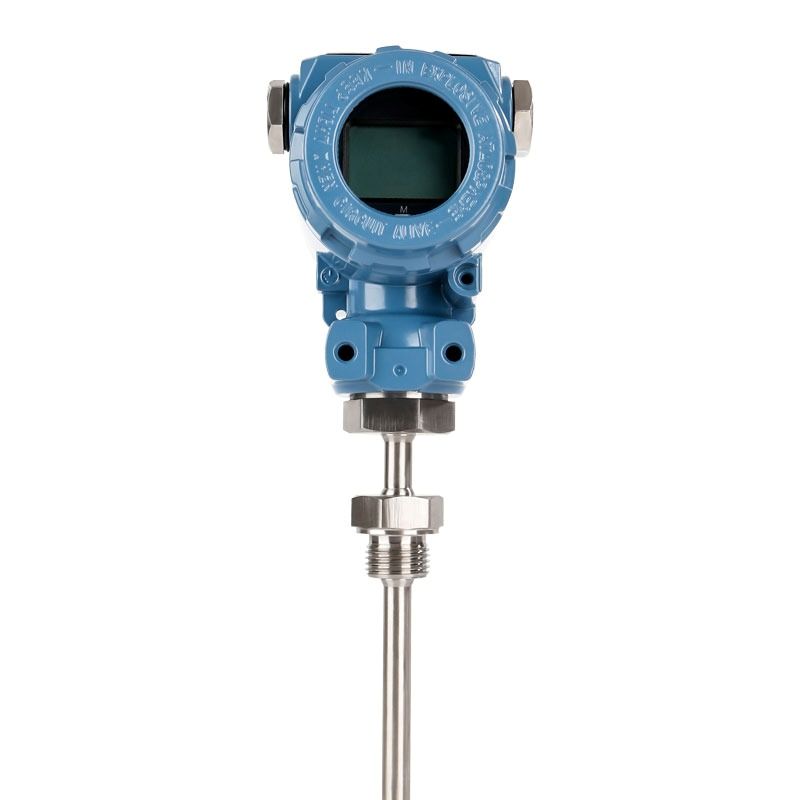
The Smart Cryogenic Temperature Transmitter for Industrial Process Monitoring features steady sensing parts picked for cold-weather work. We select materials that hold their electric traits at very low temps. This cuts down on the basic drift that customers face. Such exactness proves key for setups like our Calorific control system. There, we hit ±1% accuracy to keep fuel quality right for steel plants and power stations.
Advanced Algorithms for Intelligent Compensation
Our Smart Cryogenic Temperature Transmitter stands out due to its inner processing power. It differs from simple sensors. This device has built-in math routines for fixes. They adjust for the uneven sensor actions at cold levels. Because of this smart trait, the output signal—often a standard 4-20 mA or digital HART type—stays straight and true over the full range. That covers normal temperatures down to liquid nitrogen points.
Rugged Housing for Shielding Interference
To handle the rough electrical noise in oil refineries and chemical sites, we protect our circuits in strong, noise-blocking cases. Paired with our Industrial Pressure Transmitter for Gas, Chemical, and Process Pressure Monitoring, these temperature units build a solid information base for any Natural gas pressure regulating system. The setup makes sure data hits the PLC clean and firm. It’s set for vital choices.
Integration with Okay Energy Gas Solutions
Our measuring tools fit into our wider lineup of gas equipment. They act as the key information network for smooth operations.
Optimizing LNG Terminal Operations
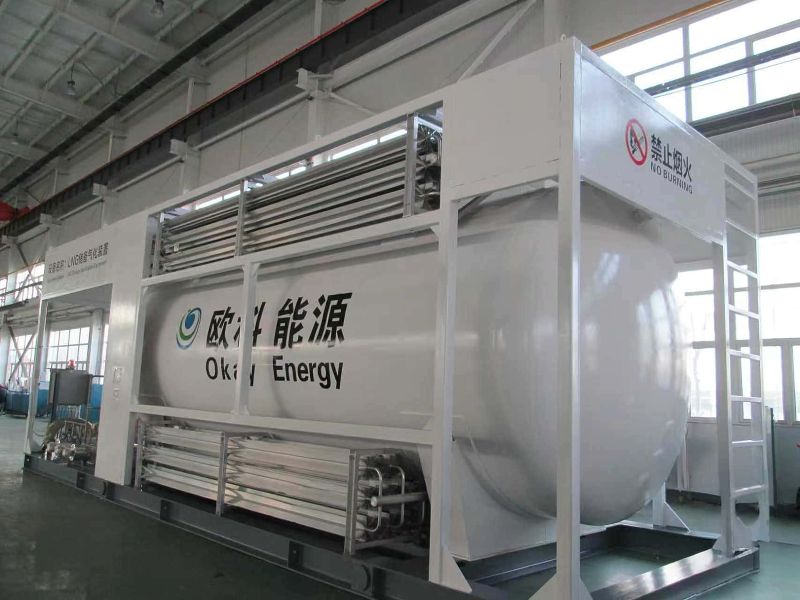
In solutions like our LNG Satellite Station and LNG Peak Shaving Plant, tracking temperature is vital for vaporization control. The Smart Cryogenic Temperature Transmitter checks the gas output temperature. It confirms full regasification before flow to the downstream Natural Gas Pressure Regulation & Metering skids. If temps drop too low, the PLC smart monitor tweaks the heat supply right away. This stops “cold liquid” from harming pipes ahead.
Enhancing Industrial Gas Blending Accuracy
Exact temperature information also supports our Industrial Gas Blending/Calorific Value Control and Management systems. Gas thickness shifts with heat changes. To reach the ±1% flow precision we offer, the setup needs live, sharp temperature feeds. Our units deliver steady data for ideal gas blends.
Supporting Global Energy Infrastructure
We take pride in aiding major players like CNPC, Sinopec, Exxon Mobil, and Saudi Aramco. Our own Smart Cryogenic Temperature Transmitter helps these sites shorten upkeep times and lift safety levels. Our drive for “Building a Century-Long Legacy” pushes us to supply only parts we count on in tough worldwide jobs.
Conclusion
Cryogenic temperature measurement in industrial processes is not just about gathering data—it’s about ensuring safety, operational efficiency, and maintaining equipment integrity under extreme conditions. From sensor drift to signal instability and electromagnetic interference, the challenges are significant, but they are not insurmountable.
Okay Energy’s Smart Cryogenic Temperature Transmitter stands out by offering high precision, advanced compensation algorithms, and robust shielding to provide accurate and reliable measurements. By addressing these challenges directly, our transmitters contribute to smooth, safe, and cost-effective operations across a variety of industries, including LNG, oil refining, and chemical processing.
Ready to upgrade your cryogenic temperature monitoring? Our team of experts is here to support your operations with reliable, high-performance tools that improve safety and efficiency. Contact us now for a consultation or to request a product demo!
FAQ
Q: What is a Smart Cryogenic Temperature Transmitter?
A: It is a dedicated industrial tool that turns very low temperature signals into standard digital or analog forms. Unlike basic sensors, it has inner smarts for auto-adjustment, signal fixes, and blocking of outside noise.
Q: What are the challenges of measuring cryogenic temperatures?
A: Main issues cover sensor shift from severe cold strain, signal fade over long runs in large facilities, and strong electrical noise in work areas. On top of that, sensors need to be durable for risky zones and cope with shakes in skid gear.
Q: How do your transmitters prevent signal drift?
A: Okay Energy pairs top sensing parts with smart fix routines. These stay firm at temperatures as low as -196°C. The built-in electronics tweak for uneven traits on the fly. This keeps readings steady and true throughout the unit’s full life.