
In today’s energy industry, exact measurements form the basis of smooth operations and secure setups. As industries around the globe move to smaller, all-in-one systems, our flowmeter stands out by offering advanced modular skid-mounted gear for gas control and measurement. The key choice in these setups involves picking the proper flow sensing method.
This decision affects your return on investment and system stability, whether you handle an LNG satellite station or a detailed gas mixing process. With more than 15 years of know-how and over 60 technical patents, Okay Energy guides clients through these options.
Understanding Gas Flow Measurement Technologies
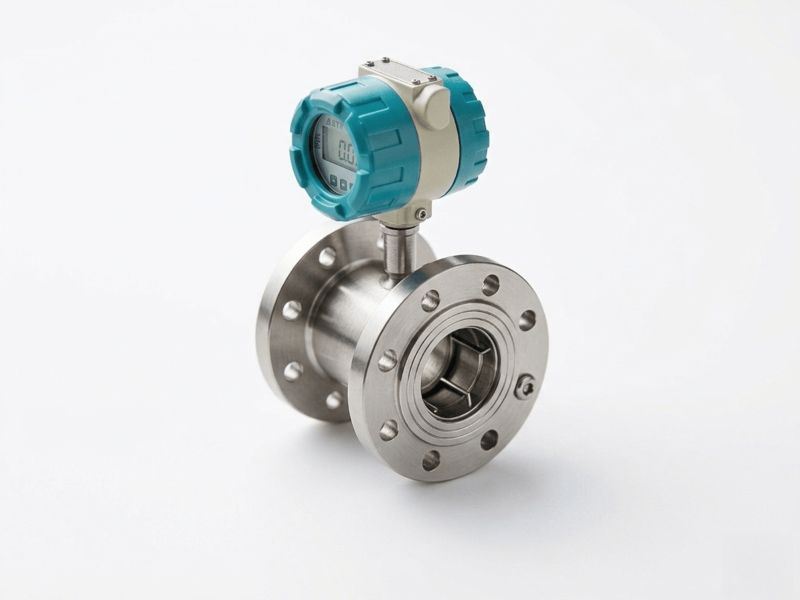
Turbine Flowmeter: Mechanical Velocity Precision
The Turbine Flowmeter serves as a proven tool for gas flow sensing. It works based on fluid speed, as gas pushes a rotor with many blades to turn at a rate matching the flow level. These devices shine in our natural gas pressure control and metering setups, especially when flows stay even. A sensor picks up the rotor’s turns, giving a quick pulse signal tied to the gas volume moving through.
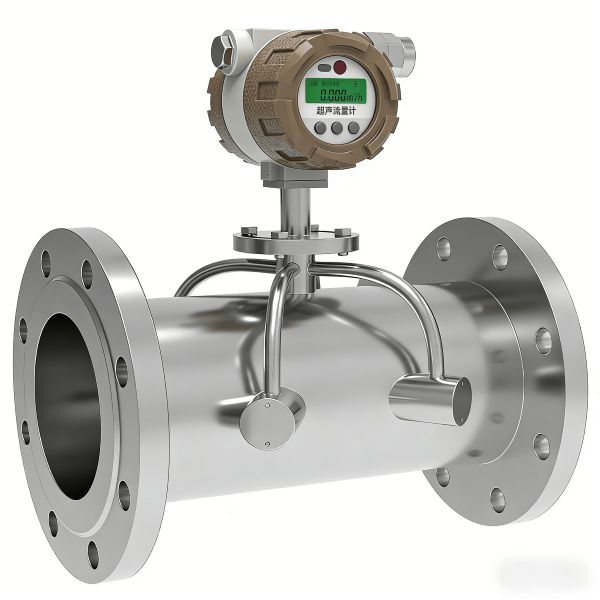
Ultrasonic Flowmeter: Non-Intrusive Acoustic Measurement
In current high-volume uses, the Ultrasonic Flowmeter gives a smart, hands-off option. It relies on sound wave timing, firing ultrasonic signals across the gas path. The device figures out speed by noting the time gap for signals going with the flow and against it. We commonly apply these in big projects, like city gate stations, since they have no moving parts and create no pressure reduction.
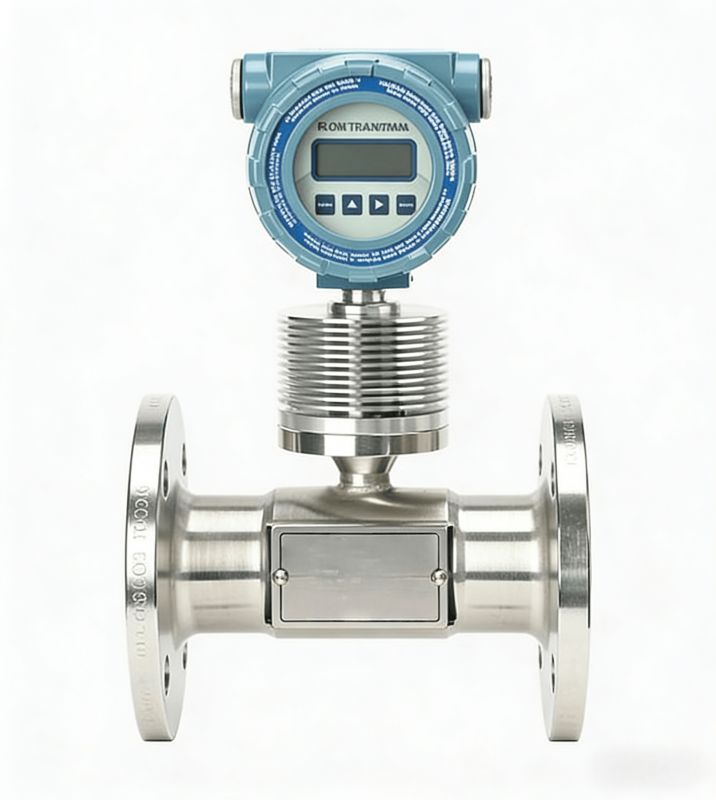
Mass Flowmeter: Direct Mass Flow Sensing
Different from volume-based tools, the Mass Flowmeter tracks the true mass of gas right away. This often happens via heat spread or Coriolis effects, so readings stay steady regardless of temperature or pressure shifts. In our Industrial Gas Blending/Calorific Value Control and Management systems, where gas weight can change, the Mass Flowmeter plays a key role in keeping energy steady and mix ratios exact.
Technical Performance and Parameter Analysis
Accuracy and Turndown Ratios Compared
Exactness matters a lot in transfer dealings and factory tasks. Our built-in packages usually hit metering accuracy from ±0.5% to ±1%. The Mass Flowmeter gives the best accuracy for shifting gas types, and the Ultrasonic Flowmeter holds steady over a broad range of flows. The Turbine Flowmeter works well in its main zone but can slip at slow speeds, so it fits better for constant factory feeds.
Pressure Loss and Energy Efficiency
Saving energy ranks high at Okay Energy. The Ultrasonic Flowmeter stands out with its wide-open build, leading to almost no pressure drop. On the other hand, the Turbine Flowmeter’s inner rotor causes a minor but real pressure fall. In high-pressure jobs like our CNG pressure-reducing skids, we watch these drops closely to avoid regulator icing and keep the system sound.
Optimizing for Skid-Mounted Equipment Integration
Compact Footprint and Installation Constraints
Space stays tight in all-in-one units like our Integrated LNG Storage & Vaporization Unit. Mass Flowmeter pieces stay small, though some need straight pipe sections for true readings. Okay Energy staff adjust these setups inside the skid structure to cut the total space while hitting all fit rules.
Resistance to Vibration and Noise
Factory sites often face pipe shakes and sound from control valves. The Ultrasonic Flowmeter holds strong technology, yet it picks up some sound waves from pressure valves. To handle this, Okay Energy adds smart filters and sound blockers in our skids. For example, we use a Vertical Filter Separator to clean and steady the flow before it hits the meter area.
Integration with Okay Energy PLC Systems
A flowmeter’s worth shows in its data output. All our sensing tools link smoothly with the Okay Energy PLC smart watch systems. This setup allows live data records, far-off checks, and auto tweaks to gas mix levels in only 30 seconds.
Durability and Maintenance in Industrial Environments
Wear Resistance of Moving Parts
The Ultrasonic Flowmeter and Mass Flowmeter get picked often for skipping moving parts, which cuts down on part wear and stretches check times. This helps a lot in far-off spots where visits prove hard. The Turbine Flowmeter, though tough, has bearings and a rotor needing regular checks and oiling for lasting work in rough spots.
Calibration Stability and Long-term Reliability
Okay Energy offers round-the-clock help and sticks to ASME build standards for solid products. Ultrasonic Flowmeter pieces keep their tune steady over the years. Still, for jobs with unclean gas, we suggest our Two-Stage Filtration System to shield sensors from dirt hits.
Cost-Benefit Analysis: CapEx vs. OpEx
Initial Investment for Metering Technologies
The Turbine Flowmeter usually brings the smallest starting cost, drawing in projects that are tight on funds with even flows. The Ultrasonic Flowmeter and Mass Flowmeter cost more at first due to their high-end electronics and touch-free builds.
Lifecycle Value in Large-Scale Projects
Looking at full ownership costs, the Ultrasonic Flowmeter’s bigger start price gets balanced by smaller running costs. Less upkeep, no pressure loss—which means lower pump or compressor bills—and a strong build lead to better value in long-run projects.
Conclusion
Picking among a Turbine Flowmeter, an Ultrasonic Flowmeter, and a Mass Flowmeter calls for clear insight into your gas traits, flow states, and spending limits. If you seek the budget-friendly steadiness of a turbine setup or the cutting-edge, low-care sharpness of sound waves, our experts stand ready to craft a system that lifts your energy work. Starting with the right sensing method secures the safety, smooth run, and long life of your energy setup for years ahead.
Contact Okay Energy today to get a customized quote for your next skid-mounted gas metering project.
FAQ
Q: Which gas flowmeter has the highest accuracy for industrial use?
A: For tasks needing top exactness, the Mass Flowmeter from Okay Energy often fits best, as it tracks mass straight, free from heat or pressure changes. Yet for big transfers in city gate stations, our Ultrasonic Flowmeter brings fine ±0.5% to ±1% accuracy, plus no moving parts.
Q: Why are ultrasonic flowmeters popular for skid-mounted systems?
A: Ultrasonic Flowmeter units rate high in skid builds because they stay hands-off, causing no pressure drop and skipping moving parts that wear. This cuts upkeep loads and energy waste in tight modular spaces.
Q: Can a turbine flowmeter handle fluctuating gas pressures?
A: Though the Turbine Flowmeter suits steady, big flows well, it can react to quick pressure jumps. Okay Energy pairs these with sharp pressure controls and filters in our skid systems to keep flows in the meter’s best range for longer life.
Q: What is the difference between a mass flowmeter and a turbine flowmeter?
A: The main gap sits in their measurement focus. A Turbine Flowmeter gauges gas volume via rotor spins, needing tweaks for heat and pressure to find mass. A Mass Flowmeter gauges gas mass directly, giving firmer readings where gas weight shifts often.